
Storm Damage
Have Black Streaks On Roof? (4 Causes & How To Remove Them)
Those dark stains running down your shingles are not dirt, soot, or wear from age. Black streaks on roof surfaces are almost always biological in origin, and understanding what is actually causing them changes how you respond. Some causes are cosmetic nuisances. Others indicate conditions that accelerate shingle deterioration and invite moisture problems if left unaddressed. This guide covers the four most common causes, the right removal approach for each, and how to prevent them from coming back. If you are concerned about whether your shingles are still in good shape, a residential roofing inspection gives you the clearest answer.
Here’s what we’ll cover:
- What is actually causing black streaks on your roof
- 4 causes with identification and removal guidance
- Safe cleaning methods and what to avoid
- Prevention strategies that work long-term
- Frequently asked questions about roof streaks
- How Caesar’s Roofing can help
What Black Streaks on a Roof Actually Are
In the vast majority of cases, black streaks on roofs are caused by a cyanobacterium called Gloeocapsa magma, which feeds on the limestone filler and calcium carbonate in asphalt shingle granules and develops a dark UV-protective outer coating that produces the characteristic streaks. This blue green algae thrives in moisture and spreads readily in humid conditions, which is why the North Shore of Massachusetts sees widespread roof algae growth across most residential neighborhoods. The Asphalt Roofing Manufacturers Association has documented its increasing prevalence across the northeastern United States as summers have grown warmer and more humid.
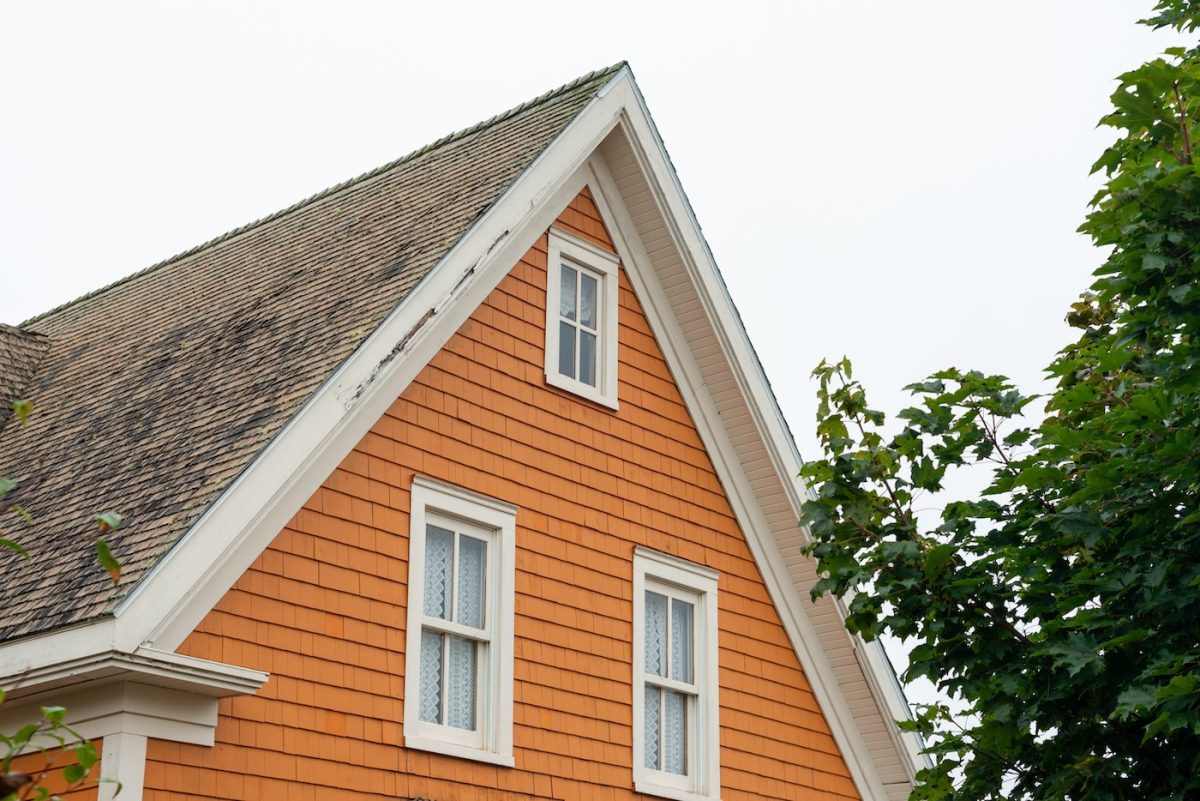
Algae does not immediately damage shingles the way moss or lichen can, but it creates moisture-retaining conditions that degrade the granule layer over time. Beyond the structural concern, the aesthetic impact is significant. A roof covered in dark streaks looks aged and can affect a home’s perceived value even when the underlying materials are sound.
We’re proud to serve home and business owners in Rowley, MA, and nearby communities with roof cleaning assessments, residential roofing services, and more.
How to Tell What You Are Looking At
Not every dark mark on a roof is the same thing, and misidentifying the cause leads to ineffective treatment. True algae streaks appear as dark gray or black running lines starting near the ridge and widening toward the eave. Moss appears as green or brown raised growth in shaded, moist areas. Lichen has a crusty, flat appearance with a lighter gray or greenish color. Soot or debris staining tends to appear as localized patches rather than streaks running with the slope.
4 Causes of Black Streaks on Your Roof
Each cause requires a slightly different approach to removal and prevention.

1. Algae (Gloeocapsa Magma)
Algae is responsible for the overwhelming majority of streaks on your roof. It spreads via airborne spores that land on warm, moist asphalt roof shingles and feed on the limestone filler in the granule layer, with roof algae growth progressing downslope and creating the telltale dark streaking pattern over one to three seasons.
- Identification: Dark gray to black streaks running vertically down the slope, typically absent near copper or zinc flashing because runoff from those metals inhibits growth.
- Removal: One part bleach to two parts water applied with a pump sprayer, allowed to dwell 15 to 20 minutes, then rinsed gently with a garden hose. Never use a pressure washer, which damages granules and voids most manufacturer warranties.
- Prevention: Algae-resistant shingles with copper granules resist future colonization. Zinc strips at the ridge release trace metals with each rainfall that inhibit regrowth across the slope below.
2. Moss
Moss grows in thick colonies that retain moisture against the shingle surface. Unlike algae, moss roots can penetrate between shingles and lift edges over time, creating pathways for water infiltration. On the North Shore, shade from mature trees and north-facing slopes create the consistently moist rooflines that moss favors.
- Identification: Raised, spongy green or brown growth concentrated in shaded areas, particularly along the north face and near overhanging branches.
- Removal: Dry brushing with a soft-bristle brush from ridge to eave removes surface moss. For heavy growth, a moss-specific herbicide kills the root system before brushing. Never scrub against the grain of the granules.
- Prevention: Trimming overhanging branches to increase sun exposure is the single most effective long-term measure. Copper or zinc strips at the ridge provide ongoing chemical protection where branch coverage cannot be reduced.
3. Lichen
Lichen is a combined organism of algae and fungus that bonds aggressively to the granule surface and often pulls granules away when removed. Once established, it frequently signals that the roof has reached an age where a professional condition assessment is warranted.
- Identification: Flat, crusty growth with a gray, white, or greenish appearance appearing in irregular patches rather than streaks.
- Removal: A sodium hypochlorite solution at higher concentration than standard algae treatment, with an extended dwell period, followed by careful rinsing. Multiple applications over several weeks may be necessary.
- Prevention: Zinc and copper strip prevention that works for algae also inhibits lichen. Lichen presence is a meaningful signal about shingle age that warrants professional inspection.
4. Soot, Debris, and Environmental Staining
Not every dark mark is biological. Chimney soot, exhaust deposits, pollen accumulation, and decomposed debris from overhanging trees can all produce dark staining that resembles algae streaks at a distance.
- Identification: Environmental staining appears near specific sources, such as directly below a chimney or in concentrated valleys where leaves collect, and does not follow the continuous downslope pattern of biological growth.
- Removal: Low-pressure rinsing with plain water removes light staining. Stubborn deposits respond to diluted dish soap or oxygen bleach applied with a soft brush. Chlorine bleach provides no benefit for non-biological staining.
- Prevention: Regular gutter cleaning and branch trimming reduces debris accumulation. If chimney soot is the source, a chimney inspection and cleaning addresses the origin rather than just the symptom.
Safe Cleaning Methods and What to Avoid
The most common mistake homeowners make is reaching for a pressure washer. This is the wrong tool for every type of staining described above. Pressure washing forces water under shingle edges, blasts away protective granules, and voids most manufacturer warranties. The correct approach for every biological stain type is a gentle chemical treatment applied with a low-pressure sprayer, allowed to dwell, and rinsed with a garden hose.
| Stain Type | Recommended Treatment | Avoid |
| Algae | Bleach and water 1:2 ratio, garden hose rinse | Pressure washer, scrubbing |
| Moss | Dry brush, moss herbicide | Pressure washer, cross-grain scrubbing |
| Lichen | Sodium hypochlorite, extended dwell | Dry scraping, pressure washer |
| Environmental | Low-pressure rinse, oxygen bleach | Chlorine bleach, pressure washer |
Long-Term Prevention
Treating staining without addressing underlying conditions produces a temporary result. Algae-resistant shingles with copper granules extend the period before retreatment is needed. Zinc or copper ridge strips cost a fraction of a cleaning service and inhibit biological growth across the full slope with every rainfall. Trimming branches and keeping gutters clear reduces the moisture conditions that biological growth requires. An annual professional inspection catches early growth before it becomes an established colony.
Common FAQs About Black Streaks on Roofs
Homeowners dealing with roof staining for the first time tend to ask a consistent set of questions. Here are direct answers to what comes up most often.
Do black streaks mean my roof needs to be replaced?
Not automatically. Algae staining is a surface condition that does not indicate structural failure of the shingles. A roof in otherwise good condition can be cleaned and treated. However, if staining has been present for many years, if the shingles are approaching the end of their rated lifespan, or if cleaning reveals significant granule loss underneath, replacement may be the more practical choice. A professional inspection gives you the information needed to make that call accurately.
Is it safe to clean my own roof?
The chemical treatments described here are manageable as DIY tasks for homeowners comfortable working at height with appropriate safety equipment. The larger risk is the roof surface itself, which is slippery when wet. For any roof with a pitch above 6:12, or for homeowners without experience at heights, hiring a professional cleaning service is the safer choice. Never use a pressure washer regardless of who is doing the work.
How often do black streaks come back after cleaning?
Without preventive measures, algae can begin recolonizing a cleaned roof within one to three years in humid coastal climates like Massachusetts. With zinc or copper strips installed at the ridge, the interval before retreatment is needed extends significantly. The combination of clean shingles, metal strip prevention, and annual inspection is the most reliable approach between replacements.
Can black streaks spread from one house to another?
Yes. Algae spores are airborne and can travel from an affected roof to a neighboring one, which is why entire streets often develop staining around the same period. Treating your roof resets the timeline before visible staining returns, but it does not create a permanent barrier against recolonization from neighboring sources.
Caesar’s Roofing: Helping You Protect What Is Already There
Black streaks are more than a cosmetic issue and not always a reason to replace a roof that still has life left in it. Getting the diagnosis right, choosing the correct treatment, and following up with the right prevention is how a homeowner protects a significant investment without spending more than necessary. Caesar’s Roofing has been serving homeowners across the North Shore and Greater Boston for over 50 years, and our inspections give you an accurate picture of what your shingles actually need.
Schedule your free inspection today and find out whether your roof needs treatment, repair, or simply a properly informed maintenance plan.