Roofing
Estimates For Roofing 101 (8 Tips To Avoid Overpaying)
Getting a roofing estimate should be straightforward, but for most homeowners it is one of the more confusing parts of a roofing project. Roof replacement costs and repair quotes vary widely between every roofing company, proposals are written differently, and it is not always obvious what you are actually comparing. Understanding a few key principles puts you in a much stronger position to make a confident decision. Whether you are getting a new roof, facing a repair, or just exploring your options, our residential roofing services at Caesar’s Roofing are built around complete transparency from the first call.
Here’s what we’ll cover:
- What a roofing estimate should actually include
- 8 tips to avoid overpaying on your next roofing project
- Common cost factors that affect the final number
- Frequently asked questions about roofing estimates
- How Caesar’s Roofing approaches the estimating process
What a Roofing Estimate Should Include
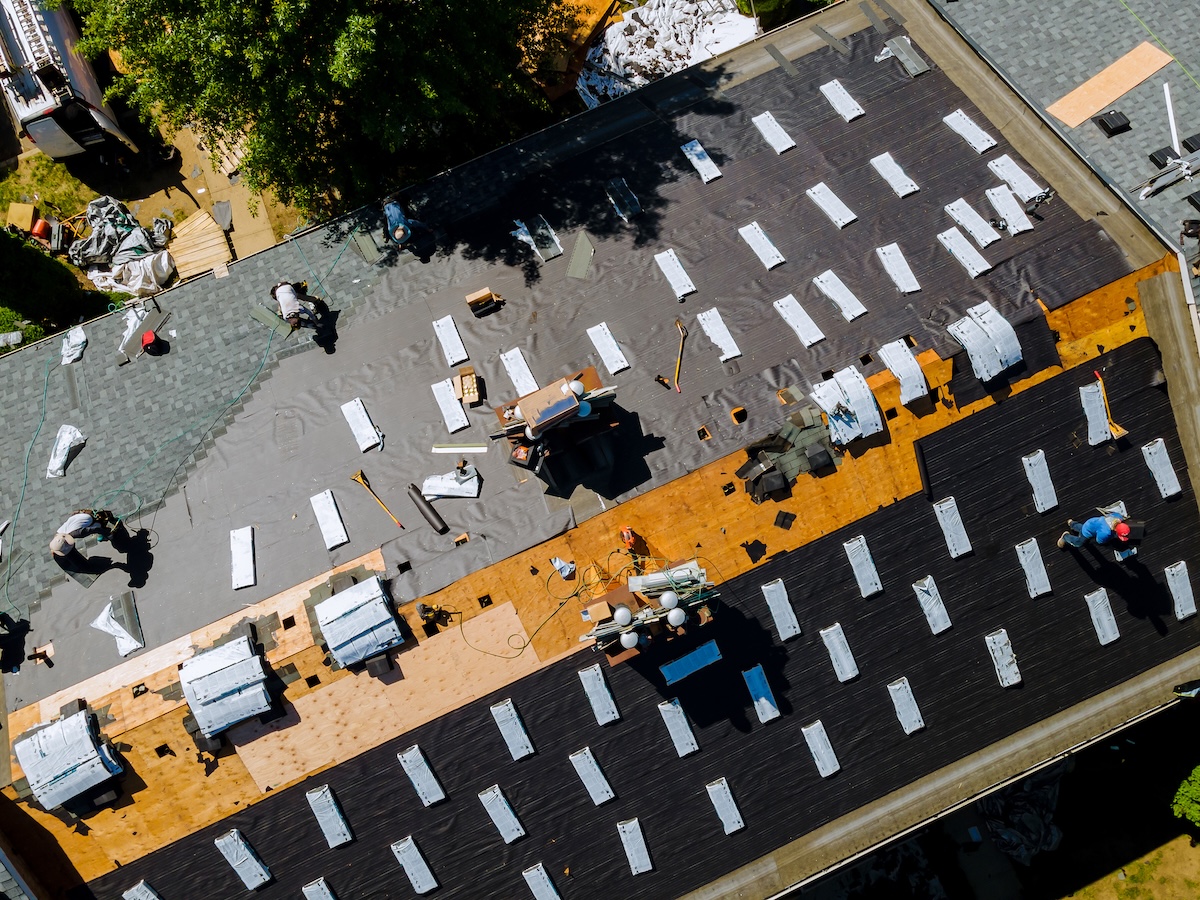
A roofing estimate is more than a number at the bottom of a page. A properly written estimate covers the full project scope, roofing materials, labor, cleanup and disposal, timeline, warranty details, and licensing and insurance documentation. If a proposal is missing several of these elements, that gap is worth addressing before you agree to anything.
Why Roofing Quotes Vary So Much
Two contractors can inspect the same roof in Swampscott, MA and return with quotes that differ by thousands of dollars. That gap usually comes down to what each estimate actually includes. One may spec premium architectural roofing shingles with full underlayment replacement; the other may price standard shingles and leave the existing underlayment in place. The number of old shingles being removed can also affect labor costs significantly, especially when multiple layers have accumulated over the years. Those are legitimate scope differences worth asking about directly.
We’re proud to serve home and business owners in Swampscott, Newburyport, and nearby North Shore communities with residential roofing services and more.
8 Tips To Avoid Overpaying on Your Roofing Estimate
Being an informed homeowner before requesting quotes puts you at a real advantage. These eight tips help you evaluate proposals accurately and avoid the most common mistakes.
1. Get at Least Three Written Estimates
One quote gives you a number. Three gives you a real picture of the local roofing market. Collecting multiple written proposals from licensed contractors helps you identify outliers and understand fair pricing for your specific project.
- Written over verbal: A verbal quote carries no accountability. Always request a written proposal you can review and reference if disputes arise.
- Same scope, same comparison: Ask each contractor to bid on identical project specs for a true apples-to-apples comparison.
- Time your requests: Getting all quotes within a short window ensures material pricing is roughly equivalent across proposals.
2. Verify Licensing and Insurance First
The National Roofing Contractors Association recommends requesting copies of a contractor’s liability insurance and workers’ compensation certificates before work begins. In Massachusetts, roofing contractors are required to be licensed, and working without verified coverage creates serious financial exposure for the homeowner. Our guide to hiring reliable roofers walks through the full vetting process.
- License verification: Massachusetts licenses can be confirmed through the state’s online database. A legitimate contractor provides their license number without hesitation.
- Liability insurance: Covers property damage caused during the project. Without it, repair costs could fall to you.
- Workers’ compensation: If a worker is injured on your property without this coverage, you may be held liable.
3. Read What Is and Is Not Included
Two proposals with the same total can represent very different scopes of work. Line-item review is one of the most valuable habits when comparing roofing contractor quotes.
- Underlayment and roof deck: Some estimates include full replacement of the roof’s underlayment and deck inspection; others do not, which directly affects long-term performance.
- Flashing replacement: Flashing around chimneys and valleys is a common cost-cutting area. Confirm whether new flashing is included or existing flashing will be reused.
- Debris removal: Tear-off and disposal is a significant labor cost. Confirm it is listed in the scope, not added later.
4. Do Not Default to the Lowest Bid
A low roofing estimate is only a good deal if the contractor delivers the full scope, uses the specified materials, and stands behind the finished work. Some low bids cover only a portion of the damage rather than the entire roof, leaving you to deal with recurring problems shortly after the job is done.
- Missing scope items: Low bids frequently omit items like ice and water shield, drip edge replacement, or permit fees that other contractors included.
- Material substitution risk: Some contractors spec one product and substitute a cheaper one on the job unless the contract explicitly prevents it.
- Warranty gaps: A lower-priced contractor may offer a short or nonexistent workmanship warranty, limiting your recourse if problems develop.
5. Ask About Material Specifications
Roofing material quality varies significantly, and the difference between what two contractors specify often accounts for a large portion of any price gap.
- Shingle grade: Architectural shingles are the North Shore standard and outperform three-tab shingles considerably. Confirm the grade and what the manufacturer warranty covers.
- Underlayment type: Synthetic underlayment offers better moisture resistance than traditional felt. The cost difference is modest relative to the overall cost of the project.
- Brand and manufacturer: Established brands like GAF and CertainTeed offer manufacturer-backed warranties that lesser-known alternatives cannot match.
6. Clarify Warranty Terms Up Front
A roofing project involves two types of warranty, and knowing the difference before signing protects you from surprises later.
- Manufacturer warranty: Covers material defects. Some require certified installer status from the contractor to remain valid.
- Workmanship warranty: Covers installation quality and is provided by the contractor. Length and scope vary widely between companies — a roofing business that has operated for years typically stands behind its work more credibly than a newer or unestablished operation.
- Transferability: Some warranties transfer to future owners at resale and some do not, which affects the long-term value of the upgrade.
7. Confirm Timeline and Payment Terms
A contractor pushing for large upfront payment or unable to provide a clear schedule is worth approaching with caution. If cash flow is a concern, there are several smart ways to finance a new roof that don’t require a large upfront deposit.
- Reasonable deposit: A fair deposit for a residential roof replacement is typically 10 to 30 percent. Requests for 50 percent or more upfront are a red flag.
- Milestone payments: Tying payments to project milestones, such as material delivery and completion, protects both parties and provides clear accountability.
- Written schedule: A start date and estimated completion date should appear in the contract. An open-ended timeline with no benchmarks is not acceptable.
8. Do a Walkthrough Before Final Payment
Before releasing final payment, confirm the work matches the contract, the site is clean, and all outstanding scope items are resolved.
- Final inspection: A quick walkthrough with the contractor gives you the chance to identify anything that needs attention before the job closes out.
- Collect documentation: Request warranty certificates, manufacturer paperwork, and permit records at completion. You will need them for insurance purposes and at resale.
- Punch list in writing: Any remaining minor items should be documented with a completion date before the final payment is released.
What Affects Roofing Replacement Costs
Understanding price drivers helps you contextualize estimates and ask better questions.
| Cost Factor | Impact | Notes |
| Square footage and roof pitch | High | Larger roofs and steeper slopes require more labor and safety equipment |
| Material selection | High | Shingle grade, underlayment, and accessories vary widely |
| Tear-off layers | Moderate | Multiple existing layers add disposal cost and labor |
| Flashing condition | Moderate | Full replacement adds cost but improves long-term performance |
| Accessibility | Low to Moderate | Complex roof lines or tight lots affect labor time |
| Permit requirements | Low | Required in most Massachusetts jurisdictions |
Common FAQs About Roofing Estimates
Homeowners getting roof repair estimates or replacement quotes for the first time tend to ask the same questions. Here are direct answers to what comes up most.
How long does it take to get a roofing estimate?
Most reputable contractors schedule an inspection and deliver a written estimate within a few days to a week. Be cautious of contractors who quote instantly without inspecting the roof — accurate pricing depends on a proper in-person assessment of existing conditions, including the roof deck, flashing, attic ventilation, and any damage not visible from the ground.
Does a higher estimate mean better quality?
Not automatically. A higher quote may reflect premium materials, more complete scope, or simply higher overhead. A mid-range estimate from a fully licensed, insured contractor with strong references often represents better value than either extreme.
What is a supplemental estimate?
A supplement is an additional cost proposed after work starts, usually because conditions found during tear-off were not visible at inspection — rotted decking, deteriorated flashing, or damaged structural components are common examples. Legitimate supplements are itemized, clearly explained, and priced at standard rates. Ask your contractor up front how they handle unexpected discoveries so you are not caught off guard mid-project. Vague add-ons or charges for work already covered in the original scope warrant direct questions before you approve anything.
Is a permit required for roof replacement in Massachusetts?
Yes, in most Massachusetts jurisdictions a building permit is required, for example, homeowners in Brookline pull them for virtually every replacement project. It ensures the work is inspected and meets local code, which protects you as the property owner. Any contractor who suggests skipping the permit is shifting risk to you, not saving you money.
Caesar’s Roofing: Honest Estimates, Quality You Can Count On
Knowing how roofing estimates work gives you the confidence to choose based on real value rather than the most persuasive pitch. The homeowners who get the best outcomes ask the right questions, read the details, and work with contractors who are fully transparent about what they are proposing and why.
Caesar’s Roofing has been serving the North Shore and Greater Boston for over 50 years. We inspect thoroughly, specify materials clearly, and deliver written proposals with no surprise add-ons, no pressure tactics, and no shortcuts.
Reach out to Caesar’s Roofing today to schedule your free inspection and get a roofing estimate you can actually trust.