Roofing
Fascia Board Replacement Cost (11 Tips For Good Deals 2026)
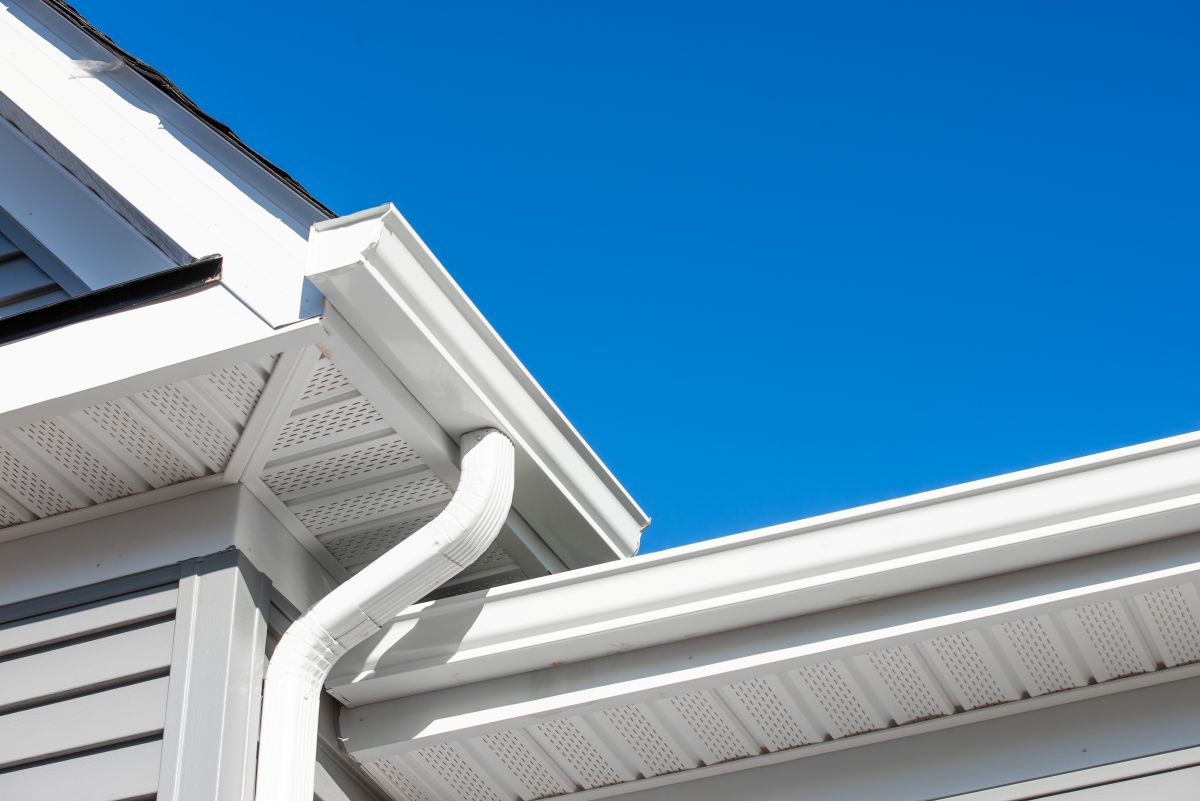
Replacing your fascia is one of those projects where the final price can vary enough to be genuinely confusing. Understanding what drives fascia board replacement cost in 2026 puts you in a far better position to evaluate quotes, avoid overpaying, and make a material choice that holds up in New England’s climate. From residential roofing repairs to full soffit and fascia overhauls, knowing the numbers before you talk to a contractor changes the entire conversation.
Here’s what we’ll cover:
- What fascia replacement actually costs in 2026
- The key factors that drive price up or down
- Material cost comparisons
- 11 tips for getting a good deal without cutting corners
- Frequently asked questions about fascia replacement cost
- How Caesar’s Roofing delivers honest pricing
What Fascia Board Replacement Costs in 2026
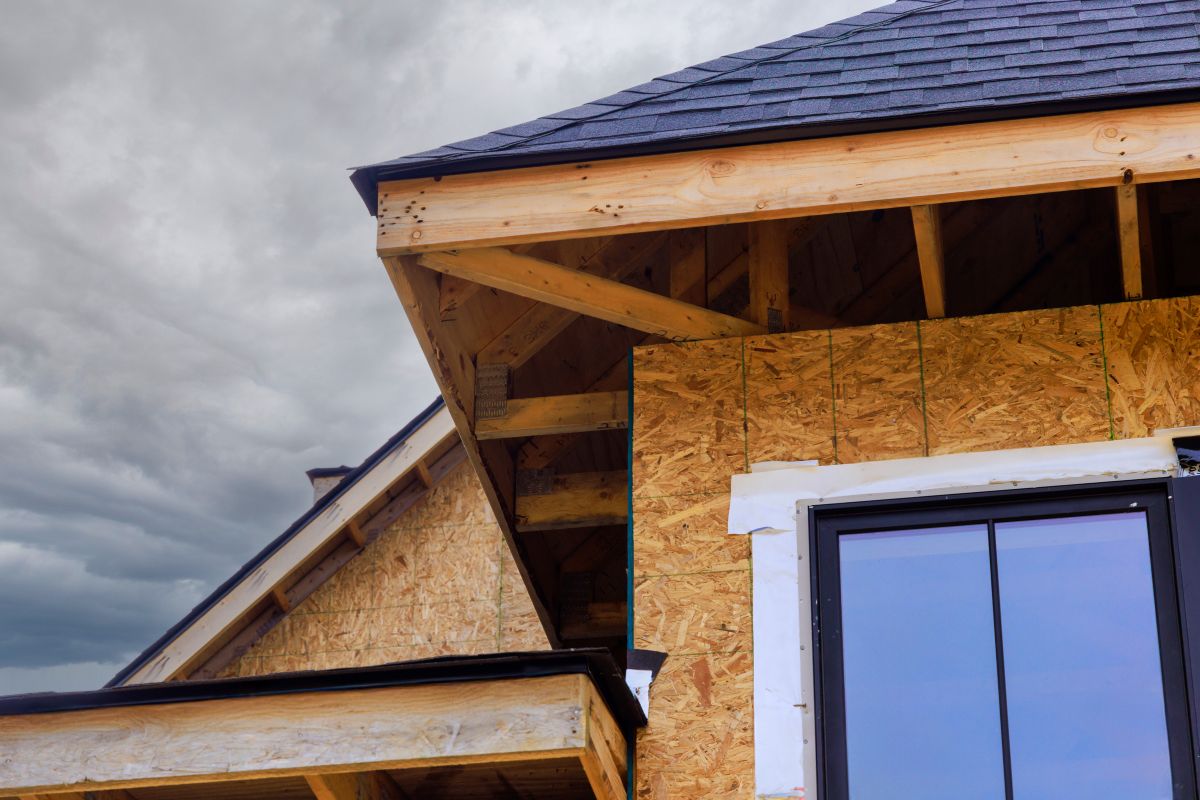
Fascia board replacement typically costs between $7 and $22 per linear foot, with a national average of around $14.60 installed, including both materials and labor. For most single-story homes on the North Shore, which commonly have 150 to 250 linear feet of roofline, total project costs fall between $1,050 and $3,300. Two-story homes, complex rooflines, or projects that include soffit replacement can push totals to $5,000 or more.
Labor accounts for $6 to $20 per linear foot on top of materials, with contractors in Greater Boston typically falling toward the upper end of that range. Hard-to-reach fascia on steep pitches or upper stories adds 7 to 15 percent to the baseline labor rate. Permits run $50 to $300 depending on the jurisdiction.
We’re proud to serve home and business owners in Danvers, MA, and nearby communities with fascia replacement, soffit repair, and residential roofing services and more.
What the Price Range Actually Reflects
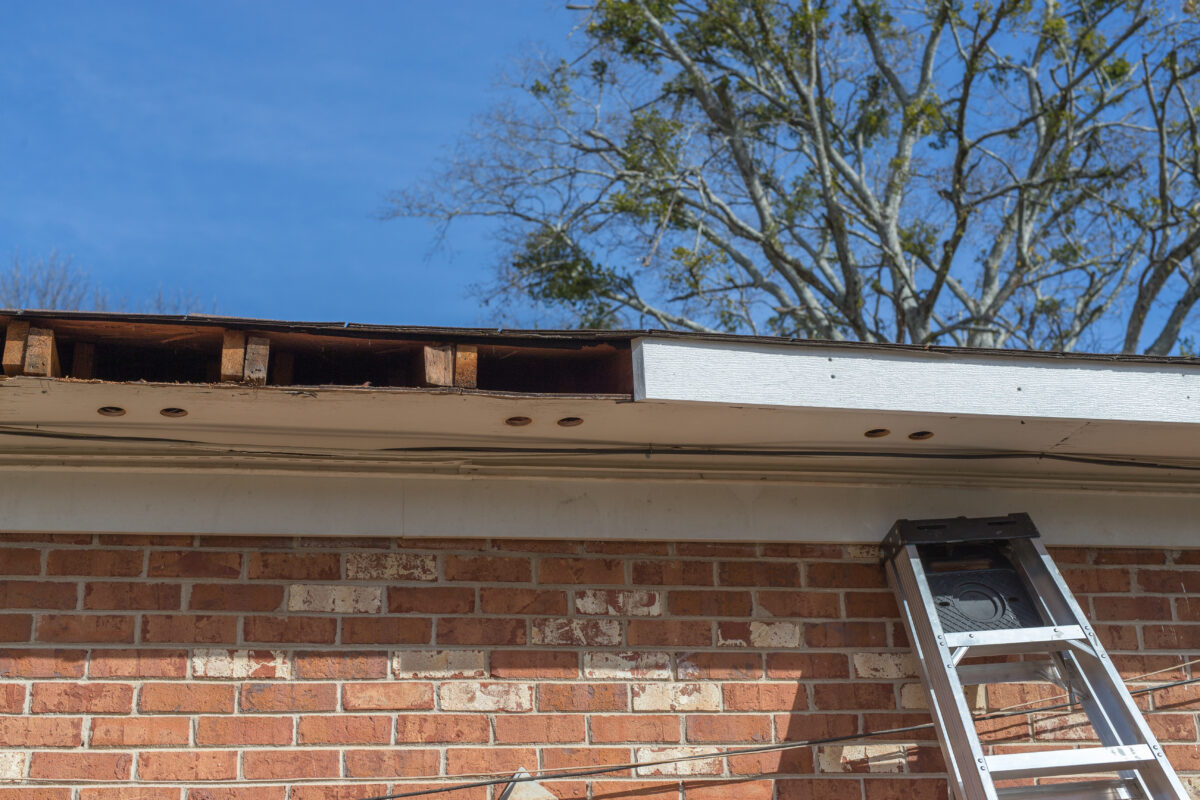
The gap between a $7 quote and a $22 quote on the same project almost always reflects differences in material selection, scope of work, disposal and cleanup inclusion, and whether adjacent components like the drip edge and gutter system are being addressed. Signs that fascia boards may need replacement include soft wood, sagging gutters, and peeling or bubbling paint that may signal moisture issues within the board itself. A detailed written proposal that breaks down each element is the only way to make a meaningful comparison between contractors.
What Drives Fascia Replacement Cost
Several factors move the final number significantly. Knowing them helps you identify which quotes reflect the full scope.
- Material selection: The single biggest variable. Wood fascia costs $1 to $3 per linear foot in materials, while aluminum runs $8 to $20. Fiber cement and composite fall between with better durability.
- Linear footage: Most homes require 100 to 250 linear feet. Homes with dormers or complex rooflines have more fascia and proportionally higher totals.
- Story height and access: Each additional story adds labor time, safety equipment, and sometimes scaffolding rental, typically 7 to 15 percent above baseline.
- Soffit condition: Soffit replacement alongside fascia adds $4 to $22 per linear foot depending on material.
- Drip edge replacement: Running $1.50 to $3 per linear foot, this modest addition prevents the new fascia from developing the same rot problem.
- Structural rot repair: Rotted wood in the roof rafters or roof deck, often caused by clogged gutters overflowing onto the fascia for seasons, can add $500 to $4,000 before new fascia board installation even begins.
Fascia Material Cost Comparison
Material choice affects both upfront price and long-term cost of ownership. A wood board that fails in ten years costs more over two decades than fiber cement installed once.
| Material | Material Cost (per linear ft) | Installed Cost (per linear ft) | Lifespan | Maintenance |
| Wood (pine, spruce) | $1 – $3 | $7 – $10 | 10 – 20 years | High |
| Composite / Engineered wood | $3 – $8 | $8 – $16 | 20 – 30 years | Low to Moderate |
| Fiber cement | $2 – $5 | $10 – $20 | 30 – 50 years | Low |
| PVC / Vinyl | $3 – $7 | $9 – $15 | 25 – 40 years | Very Low |
| Aluminum | $8 – $20 | $10 – $22 | 40+ years | Very Low |
In coastal Massachusetts, aluminum and PVC offer the lowest lifetime cost despite higher upfront prices. Vinyl and composite fascia boards resist moisture better than wood and require less maintenance over time, making them an aesthetically pleasing and practical long-term choice that gives the roofline a clean finished look without the repainting cycle wood demands.
11 Tips For Good Deals on Fascia Board Replacement
These eleven tips apply whether you are replacing a single damaged section or the full perimeter of a two-story home.
1. Get Three Written Quotes Before Committing
Collecting multiple itemized proposals from licensed contractors lets you identify outliers and understand the fair market rate for your specific project scope.
- Itemized breakdown: A quote separating labor, materials, disposal, and gutter reinstallation tells you far more than a single total.
- Same material basis: Ask each contractor to price the same fascia spec so differences reflect labor and scope, not material substitution.
2. Bundle Fascia Work With Other Exterior Projects
Combining fascia with gutter replacement, soffit work, or a roof inspection reduces mobilization costs and often produces a better price per linear foot. Fascia boards must be strong enough to support the weight of gutters, so any bundled work that also addresses gutter condition ensures the new fascia has proper structural support from day one.
- Soffit pairing: Addressing soft or stained soffit at the same time saves a second mobilization and allows proper ventilation integration.
- Same gutters re-installed: Where the existing gutter system is still in good condition, the same gutters can be re installed once the new fascia is secure, keeping project costs down.
3. Choose the Right Material for Your Climate
In the Greater Boston area, wood fascia that fails every ten to fifteen years costs more over two decades than a fiber cement or aluminum installation done once.
- Moisture resistance priority: In coastal environments, rot-resistant materials like PVC, aluminum, and fiber cement eliminate the recurring cost of paint maintenance and premature replacement.
- Annual cost comparison: Divide installed cost by expected lifespan to get a rough annual cost comparison between materials before deciding.
4. Schedule Work in the Off-Season
Contractor demand peaks in spring and early summer. Scheduling fascia replacement in late fall or early winter can yield better pricing and faster scheduling.
- Negotiating position: A contractor with open calendar slots in November has more flexibility on pricing than one with a three-month spring backlog.
- Weather window: Fascia replacement works well in mild fall temperatures. Avoid installation during sustained rain or freezing conditions that prevent proper sealing.
5. Confirm Whether Permit Costs Are Included
Permit fees run $50 to $300 in most Massachusetts jurisdictions and are sometimes included in a quote and sometimes billed separately.
- Permit value: A permitted project is inspected and creates a documented record that protects you at resale and can matter for insurance claims.
- Contractor responsibility: A licensed contractor handles permit procurement as part of the project. If a contractor suggests skipping the permit, treat that as a warning sign.
6. Ask What Happens If Structural Damage Is Discovered
Many fascia replacements reveal rafter tail or roof deck rot not visible before old boards are removed. Knowing how your contractor handles this before work begins prevents mid-project disputes.
- Supplement pricing: Ask for a unit price on structural rot repair in writing before the project starts so you are not caught off guard mid-job.
- Reserve budget: Building a 15 to 20 percent contingency into your budget for older homes is a practical habit that prevents unexpected findings from derailing the project.
7. Do Not Skip the Drip Edge Assessment
Improper drip edge installation is one of the most common causes of fascia rot and one of the most frequently skipped line items in low-ball estimates.
- Access advantage: Fascia replacement already requires removing the gutters and working at the roof edge, providing direct drip edge access at minimal added labor cost.
- Rot prevention payoff: A correctly installed drip edge directs water into the gutter channel rather than behind it, extending new fascia board life significantly.
8. Confirm Whether Painting Is Included
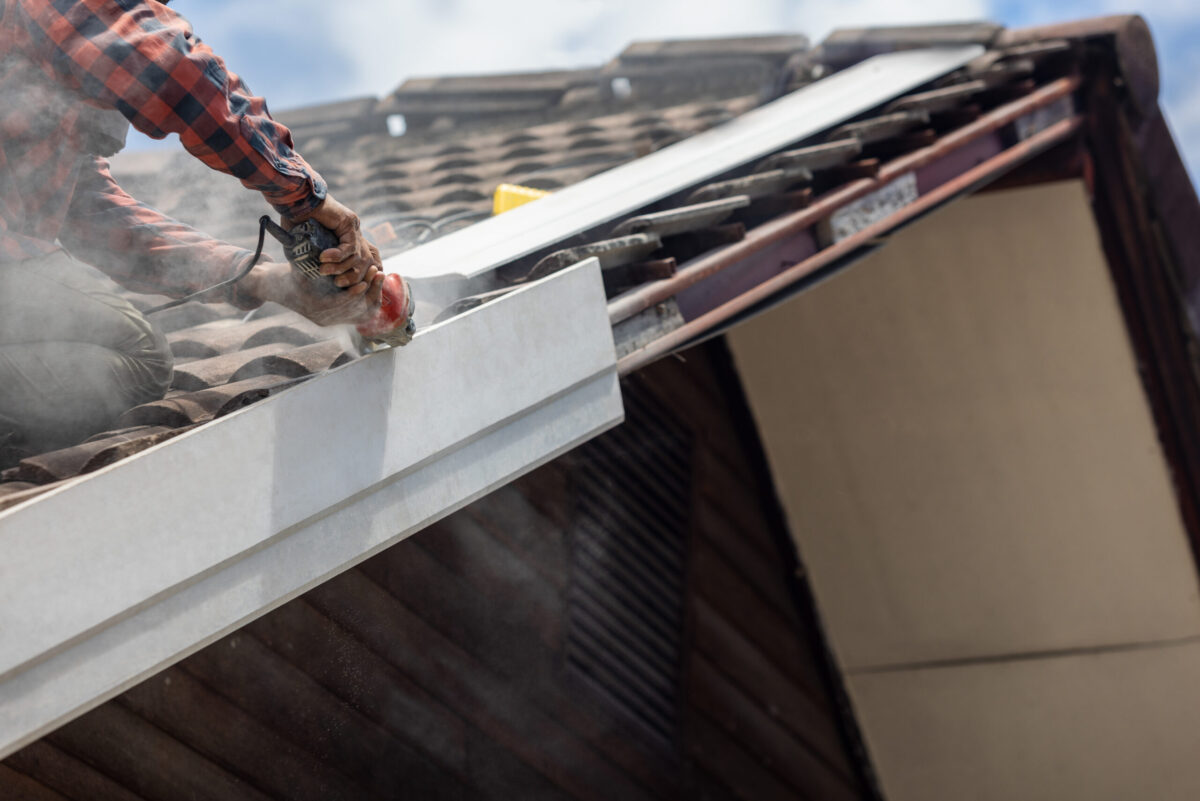
Wood and fiber cement fascia require primer and paint after fascia board installation. Whether that is included in the estimate or billed separately varies between contractors. The installation process itself involves removing old boards with a pry bar, cutting new fascia to length with a circular saw, and sealing seams between fascia pieces to prevent water damage at every joint.
- Paint specification: Exterior-grade trim paint differs from standard wall paint in flexibility and moisture resistance. Confirm the product being used.
- Animal damage check: While boards are removed, inspect for signs of animal damage behind the fascia. Birds and insects that have nested in gaps can leave debris that traps moisture against the new material if not cleared before reinstallation.
9. Evaluate the Workmanship Warranty
Material warranties cover the fascia product itself. Workmanship warranties cover how it was installed, including gaps at joints, improper flashing integration, or incorrectly seated drip edges.
- Minimum term: A reputable contractor offers at least two to five years on fascia and exterior trim work. No warranty at all signals low confidence in the installation.
- Written documentation: Get warranty terms in writing, including what is covered and how to initiate a claim if a problem develops.
10. Check for Local Incentive Programs
Fascia and soffit work that improves attic ventilation can sometimes qualify for efficiency-related incentives when combined with insulation or ventilation upgrades.
- MassSave programs: MassSave and affiliated utility programs periodically offer rebates or financing for home exterior improvements that affect energy performance.
- Contractor knowledge: An experienced local contractor who works regularly in Massachusetts will know which programs are currently active and which projects are likely to qualify.
11. Get Everything in Writing Before Work Begins
Every detail that matters should appear in a written proposal signed before work begins, including linear footage, material spec, disposal arrangement, and gutter reinstallation plan.
- Payment schedule: A fair structure ties payment releases to project milestones. A reasonable deposit is 10 to 30 percent of the total.
- Change order process: Confirm that any additional work discovered during the project requires written authorization before proceeding.
Common FAQs About Fascia Board Replacement Cost
Homeowners budgeting for this project tend to ask a consistent set of questions. Here are direct answers to what comes up most often.
Is it cheaper to repair fascia or replace it entirely?
Spot repairs on isolated sections can run $200 to $500 and make sense where damage is genuinely contained. However, fascia rot rarely stays isolated. If more than 20 to 30 percent of the roofline shows damage, full replacement is typically more cost-effective over the next decade than repeated spot repairs.
Does fascia replacement affect home insurance?
Maintenance-related deterioration is generally excluded from homeowner policies. However, proactive fascia replacement can support a home’s insurability and may be relevant to claims where water intrusion followed fascia failure. Confirming with your insurer before and after the project is always worthwhile.
When is the best time of year to replace fascia in Massachusetts?
Late summer through mid-fall is generally the best window: mild temperatures, lower contractor demand than spring peak, and sufficient daylight for full installation days. Early spring works well too. Sustained freezing temperatures prevent sealants and paint from curing correctly and should be avoided.
Caesar’s Roofing: Fair Pricing, No Surprises
Getting a good deal on fascia board replacement is not about finding the lowest number. It is about finding a contractor who prices the full scope honestly, uses materials appropriate for your climate, and stands behind the installation.
Caesar’s Roofing has been serving homeowners across the North Shore and Greater Boston for over 50 years. Every fascia estimate we provide is itemized, every scope is explained clearly, and every project is completed by our own licensed crew.
Schedule your free inspection today to get an honest assessment of your fascia, soffit, and roof edge and a written quote you can actually compare.