Warranties
Fascia Board Replacement Guide (4 Signs You Need It Now)
Most homeowners walk past their fascia every day without giving it a second thought. That changes quickly once water starts getting in. Fascia board replacement is one of those repairs that seems minor until you understand what the fascia is actually protecting and what happens when it fails. This guide explains what fascia does, what causes it to deteriorate, four clear signs yours needs attention, and what to expect from a professional replacement. If you have already noticed early warning signs, understanding how residential roofing and exterior trim work together is a good starting point before you call anyone.
Here’s what we’ll cover:
- What fascia is and why it matters
- What causes fascia boards to rot or fail
- 4 signs you need fascia board replacement now
- Material options and what each one offers
- Frequently asked questions about fascia replacement
- How Caesar’s Roofing can help
What Fascia Is and Why It Matters
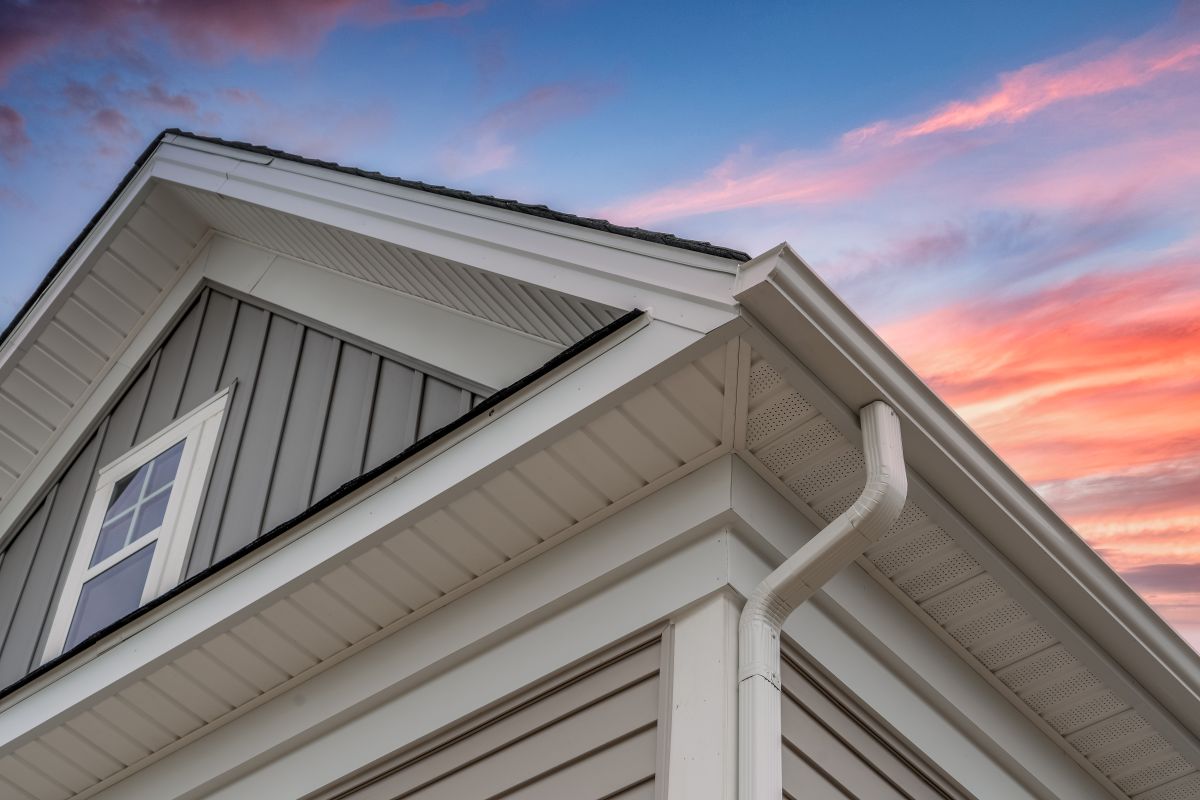
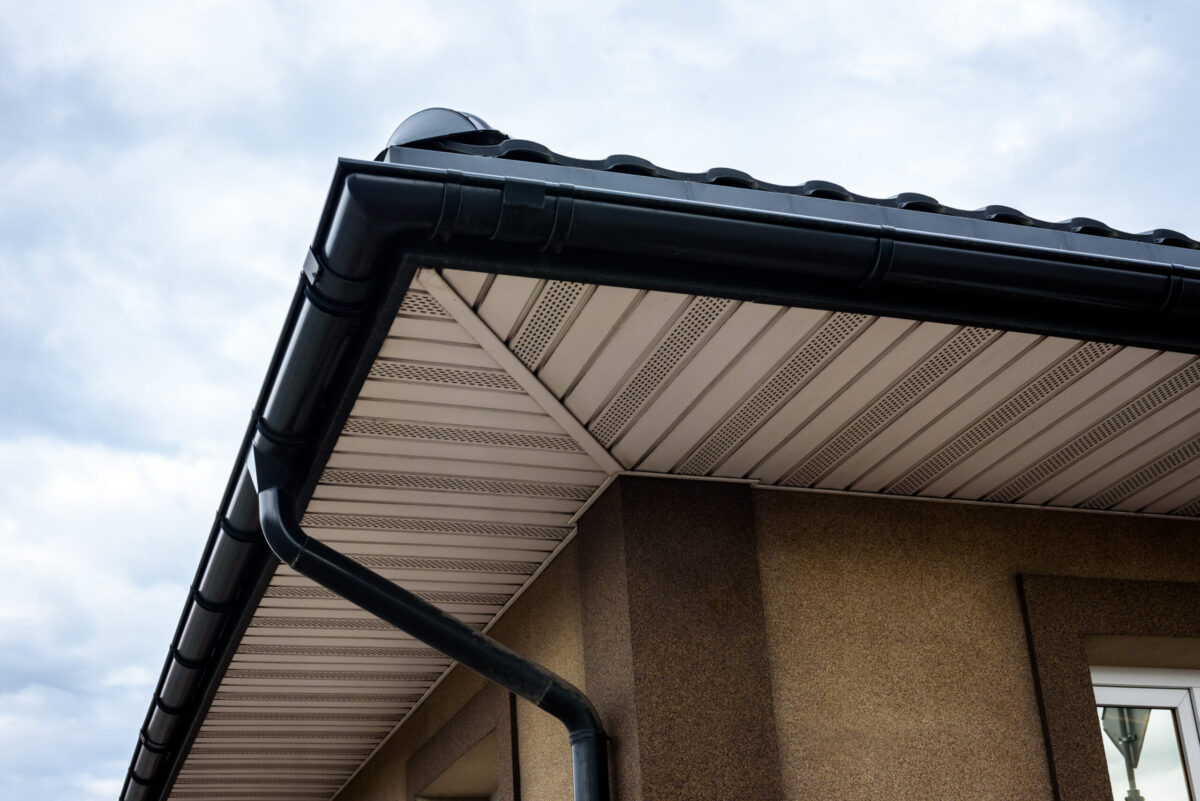
Fascia is the horizontal board that runs along the lower edge of your roof, connecting the roof to the home’s outer walls while supporting the gutters that channel rainwater away from the structure. It gives the roofline a clean, finished look and acts as a barrier between the roof edge and the elements. Fascia boards also aid in airflow beneath the roof overhang, working alongside the soffit to help prevent mold growth in the attic cavity. Without functioning fascia, the rafter tails are exposed to weather, moisture enters freely, and the gutter system has nothing solid to anchor to.
Fascia boards must be strong enough to support the weight of gutters, including the added load of standing water and debris during heavy rainfall. Fascia boards can be made from wood, vinyl, or composite materials, each with different levels of moisture resistance, maintenance requirements, and longevity. In New England, where seasonal freeze-thaw cycles, ice dams, and nor’easters subject rooflines to repeated stress, the fascia takes on more than its share of punishment. Once moisture penetrates the wood fascia, rotted wood sets in, spreads to adjacent components, and eventually compromises the roof deck, soffit, and interior structure above.
We’re proud to serve home and business owners in Peabody, MA, and nearby communities with fascia replacement, soffit repair, and residential roofing services and more.
Fascia and Soffit Work Together
The fascia and soffit are separate components that function as a system. The soffit is the panel installed underneath the roof overhang, enclosed between the fascia and the exterior wall of the home. It plays a key role in attic ventilation, allowing air to circulate beneath the roof deck and reduce heat and moisture buildup. When the fascia fails, water frequently intrudes behind the soffit as well, which means the two components often need to be assessed together. A fascia replacement that ignores adjacent soffit damage is an incomplete repair.
What Causes Fascia Boards to Deteriorate
Understanding what damages fascia helps homeowners recognize early warning signs and take action before the problem becomes structural.
The most common cause is clogged gutters. When debris blocks water from flowing freely through the gutter system, it overflows and runs directly down the fascia board. Repeated exposure to standing water is exactly the condition that accelerates wood rot. Poor drip edge installation compounds the problem, since a drip edge that is too short or improperly seated allows rainwater to travel behind the gutter and soak the wood from behind rather than being directed into the gutter channel.
Additional causes include the following:
- Improper attic ventilation: When soffit vents are blocked or absent, moisture becomes trapped in the attic and migrates toward the fascia, creating ideal conditions for fungal growth and wood decay.
- Storm damage: Wind-driven rain during nor’easters and heavy storms forces moisture into gaps at the roofline. Repeated seasonal exposure without inspection allows minor intrusion to become significant rot.
- Pest activity: Termites, carpenter ants, and other animal damage accelerate structural deterioration once moisture weakens the fascia. Soft, damp wood is an easy target, and insect tunneling spreads damage to adjacent framing quickly.
- Failed paint or sealant: The protective coating on wood fascia is its primary moisture defense. Once that coating cracks, peels, or wears through, the board is essentially unprotected and water damage follows rapidly.
4 Signs You Need Fascia Board Replacement Now
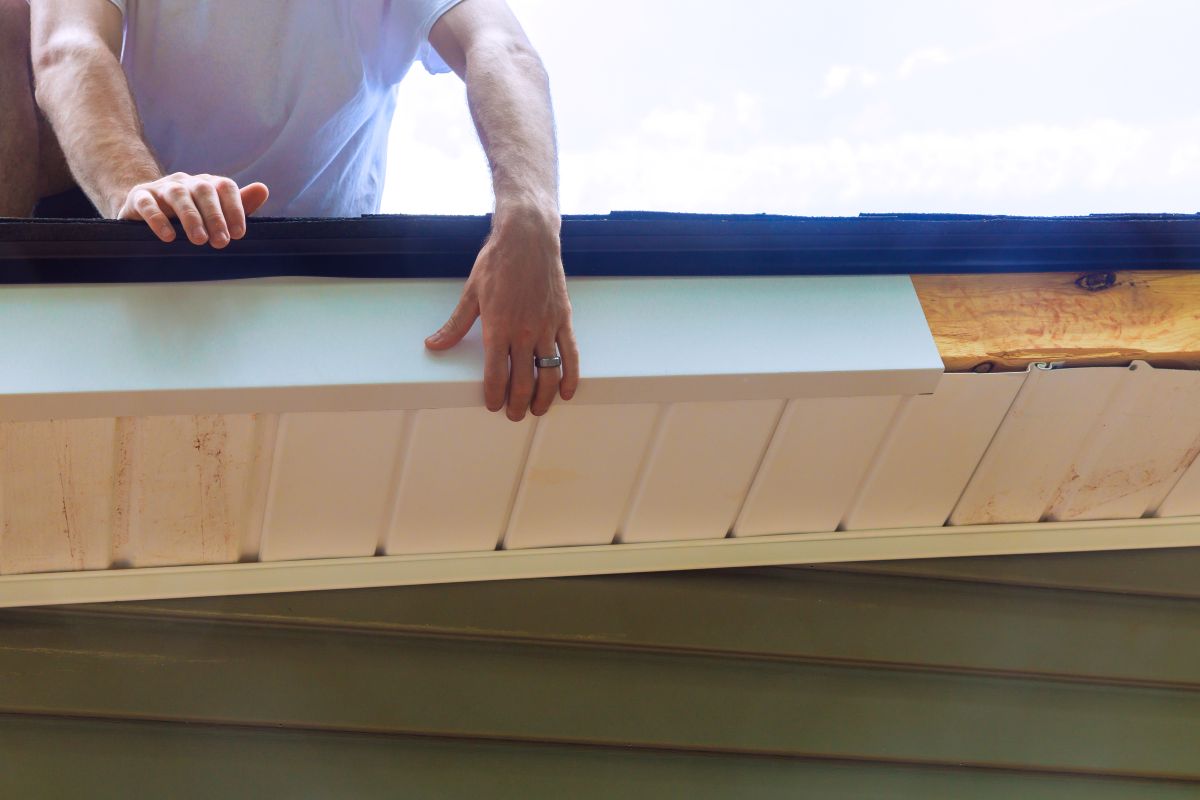
Fascia problems rarely announce themselves dramatically. The signs are usually visible to a careful eye, but they escalate quickly once ignored. These four indicators mean it is time to call a professional rather than wait another season.
1. Visible Rot, Soft Wood, or Crumbling Surface
The most direct sign of fascia failure is physical deterioration of the board itself. A fascia that is aesthetically pleasing and structurally sound should feel firm and show a consistent, intact painted surface. Pressing a screwdriver or awl into the fascia should meet solid resistance. If the wood gives way, feels spongy, or crumbles under light pressure, rotted wood has established itself beneath the surface and the board cannot be repainted or patched into reliable service.
- Surface discoloration: Dark staining, particularly near gutter attachment points or where the board meets the roofline, indicates moisture has been penetrating for some time.
- Cracking and splintering: Wood that has cycled through repeated wet and dry periods cracks along the grain, creating additional pathways for moisture to enter the structure.
- Spread risk: Rot does not stay contained. It migrates from board to board through direct contact and can reach rafter tails and roof deck sheathing, destroying the clean finished look of the entire roofline if left untreated.
2. Sagging, Detaching, or Misaligned Gutters
The fascia is the structural anchor for the entire gutter system. When it softens or separates from the rafter tails, the gutters begin to pull away from the roofline. This is often the first visible sign homeowners notice because the gutter problem is apparent from the ground while the fascia damage causing it is less obvious.
- Gutter gap: A visible gap between the top of the gutter and the roofline, or gutters that slope toward one end rather than running level, often points to fascia that has lost its structural integrity.
- Fastener pullout: Screws or spikes that anchor the gutter to the fascia pull out more easily as the wood softens, leaving oversized holes that compound the problem.
- Water misdirection: Gutters that have detached or shifted no longer direct water away from the foundation correctly, which creates secondary problems well below the roofline.
3. Peeling Paint or Visible Mold on the Fascia Surface
Peeling, bubbling, or cracking paint on the fascia is not a cosmetic issue — it is a warning that moisture is actively working against the wood from within. Paint does not peel from the outside in; it fails because moisture vapor pushing through the wood breaks the bond between the coating and the substrate.
- Mold and mildew staining: Black or green streaking on the fascia surface indicates sustained moisture exposure. Mold on the exterior is frequently mirrored by worse conditions on the interior face of the board, which is not visible without removing the gutters.
- Repainting limitations: Once moisture has penetrated the wood, sanding and repainting provides only a temporary cosmetic fix. Without addressing the underlying moisture source and the board condition, paint failure recurs quickly.
- Inspection trigger: Any time peeling paint is visible on the fascia, a probe test of the wood beneath it is worth doing before scheduling a paint job.
4. Water Stains or Damage Inside the Attic Near the Roof Edge
Interior water stains on the attic ceiling near the roof edge, damp insulation along the perimeter, or daylight visible through gaps at the roofline all indicate that the fascia and its associated components are no longer keeping the exterior properly sealed.
- Rafter tail damage: Water that enters through failed fascia runs along the rafter tails into the attic structure. Once the framing becomes wet, mold growth and wood decay follow, which is a significantly more expensive repair than the fascia replacement that could have prevented it.
- Insulation saturation: Wet attic insulation loses its thermal performance and creates a persistent moisture reservoir that keeps the surrounding wood damp long after the original intrusion stops.
- Structural escalation: Attic-level symptoms indicate the problem has already progressed beyond the fascia itself. At this stage, a full assessment of the roof edge system, including the drip edge, soffit, and adjacent sheathing, is necessary before any repair scope can be properly defined.
Fascia Board Material Options
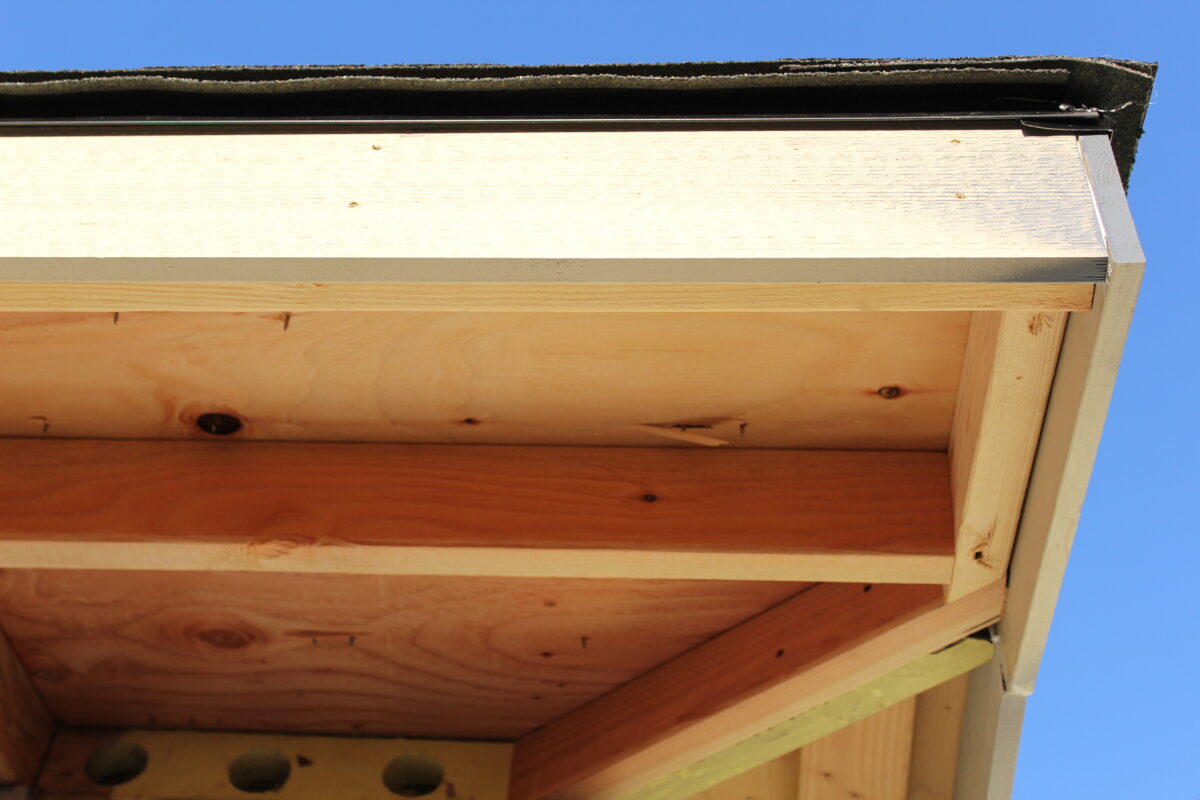
When replacing fascia, material selection affects durability, maintenance requirements, and long-term cost. The right choice depends on climate exposure, budget, and the appearance goals for the home’s exterior.
| Material | Rot Resistance | Maintenance | Lifespan | Relative Cost |
| Wood (pine, spruce) | Low | High | 10 – 20 years | Low |
| Pressure-treated wood | Moderate | Moderate | 20 – 30 years | Low to Moderate |
| Fiber cement | Very High | Low | 30 – 50 years | Moderate to High |
| Aluminum | Excellent | Very Low | 30 – 50 years | Moderate |
| PVC / Vinyl | Excellent | Very Low | 25 – 40 years | Moderate |
In coastal and high-moisture environments like the North Shore, aluminum and PVC fascia are increasingly popular because they eliminate the rot and repainting cycle entirely. Fiber cement offers a paintable surface with excellent durability for homeowners who want the appearance of wood without the maintenance demands.
Common FAQs About Fascia Board Replacement
Homeowners who discover fascia damage for the first time tend to have a consistent set of questions. Here are direct answers to what comes up most often.
How much does fascia board replacement cost?
Fascia replacement typically costs between $15 and $30 per linear foot installed, depending on the material selected and the extent of damage to adjacent components like the soffit, drip edge, or rafter tails. A full perimeter replacement on a standard New England home generally runs between $1,500 and $4,000. Homes where the damage has spread to the soffit or roof deck will see higher costs, which is why early detection matters so much.
Can I replace fascia boards myself?
Some homeowners tackle single-section repairs themselves, but the job involves working at height, removing and reinstalling gutters, and ensuring the new board is properly sealed against the roof edge and drip edge. An improperly installed fascia board that leaves gaps or is not correctly primed and painted will fail prematurely regardless of the material used. For full perimeter replacements or anywhere the soffit or roof deck is involved, professional installation is strongly recommended.
Should I replace the soffit at the same time as the fascia?
In most cases, yes. The soffit and fascia are adjacent components that fail for the same reasons — moisture infiltration and inadequate ventilation. If the fascia has been deteriorating for some time, the soffit immediately behind it has almost certainly absorbed moisture and may be showing early rot as well. Replacing both at the same time avoids returning to the same area within a few years and allows proper integration of ventilation pathways during the installation.
How do I know if my drip edge also needs replacement?
The drip edge should be inspected any time the fascia is being replaced, since improper drip edge installation is one of the primary causes of fascia rot. During replacement, the contractor removes the fascia and has direct access to assess the drip edge condition. A bent, corroded, or improperly seated drip edge should be replaced as part of the same project to prevent the new fascia from developing the same moisture problem.
Caesar’s Roofing: Protecting Every Edge of Your Home
Fascia board replacement looks straightforward from the outside but involves more than swapping one board for another. Getting the material right, integrating the drip edge correctly, sealing every joint, and ensuring the soffit and gutter system are properly reinstalled requires attention to detail that determines whether the repair lasts five years or fifty.
Caesar’s Roofing has been serving homeowners across the North Shore and Greater Boston for over 50 years. We inspect every component of the roof edge system before recommending a scope of work, and we do not patch over problems that need to be fully addressed.
Schedule your free inspection today and get a clear picture of what your fascia, soffit, and roof edge actually need.