Insurance
How To Determine Age Of Roof For Insurance (3 Easy Ways)
Your roof’s age is one of the most important pieces of information your insurance company wants to know — and one of the details homeowners are most often unsure about. Knowing how to determine age of roof for insurance purposes can affect your premium, your coverage eligibility, and how a claim gets settled. Insurers use roof age to assess risk, and the difference between a roof that is 12 years old and one that is 22 years old can mean the difference between full replacement coverage and a significantly reduced payout. Understanding how roof inspections and residential roofing tie into the insurance process puts you in a much stronger position as a homeowner.
Here’s what we’ll cover:
- Why roof age matters so much to insurance companies
- 3 reliable methods to determine the age of your roof
- What insurers do with that information
- How roof age affects claims and coverage
- Frequently asked questions about roof age and insurance
- How Caesar’s Roofing can help you document your roof
Why Roof Age Matters to Insurance Companies
Insurance companies treat roof age as a direct indicator of risk. An older roof is statistically more likely to fail, more likely to be damaged in a storm, and more expensive to repair correctly. That actuarial reality shapes how insurers price policies, set deductibles, and settle claims.
Most insurance companies will require a roof inspection if a roof is over 20 years old before writing or renewing a policy, and some insurers decline to write new policies on older roofs altogether. In Massachusetts, where nor’easters, ice dams, and coastal storms regularly test rooflines, insurers pay close attention to roof condition and age when underwriting coverage.
A newer roof also works in your favor financially. Many insurers offer premium discounts for recently replaced roofs, particularly those made from impact-resistant or fire-rated materials. Knowing your roof’s age accurately and being able to document it is one of the simplest ways to make sure you are getting the right coverage at the right price. We’re proud to serve home and business owners in Nahant, MA, and nearby communities with residential roofing, roof inspections, and more.
How Roof Age Affects Claim Settlements
The way an insurer calculates a roof claim payout often depends directly on the roof’s age. Newer roofs are more commonly covered under replacement cost value policies, meaning the insurer pays to replace what was damaged with new materials. Older roofs are more frequently settled under actual cash value terms, which factor in depreciation based on age and reduce the payout accordingly. Asphalt shingle roofs last around 15 to 25 years, while roofing materials can vary significantly in acceptable service life — metal roofs may exceed 50 years while standard three-tab shingles can fail before 20. A roof with less than four years of estimated useful life remaining may incur 50 percent more damage-related costs due to compounding deterioration, which is a key reason insurers assess age so carefully. Knowing your roof’s age ahead of a claim helps you understand what your policy actually covers and whether your current coverage type matches your roof’s stage of life.
3 Easy Ways To Determine the Age of Your Roof
Pinning down the exact age of your roof is more straightforward than most homeowners expect. These three methods cover the most reliable sources of that information.
1. Check Your Home’s Records and Documents
The simplest starting point is the paper trail that already exists for your property. Most roofing replacements and significant repairs generate documentation that is either kept by the homeowner or accessible through official channels.
- Permit records: Building permits are filed with the local municipality for most roof replacements in Massachusetts. Permit records are public documents searchable online or at the town or city building department, and they typically include the date the work was permitted and completed. This is often the most accurate source available for confirmed replacement dates.
- Previous homeowner disclosures: If you purchased the home within the last several years, the seller’s disclosure documents may include a noted roof replacement date. Review the purchase agreement and any attached disclosures from the transaction.
- Homeowner files and receipts: If you were the one who had the roof replaced, contractor invoices, warranties, and payment records all document the date of installation. Many manufacturers also maintain warranty registration databases that confirm installation dates by address.
2. Look Up the Property Records
County assessor records and property history databases contain renovation and improvement information that can point to when a roof was replaced, even without direct documentation from the work itself.
- County assessor database: Most Massachusetts counties maintain searchable online property records that include improvement history. Search the property address and look for roof replacement entries, which are sometimes logged when a permit was pulled or when the property was reassessed after a renovation.
- MLS history: If the home has been listed and sold through the MLS in recent years, the listing history may include noted improvements and a stated roof age or replacement year provided by a prior seller.
- Title company records: The title company involved in a past sale may have collected documentation about major improvements, including roofing work, as part of the closing process. Requesting records from the title company can sometimes surface information not otherwise accessible.
3. Have a Professional Roof Inspection
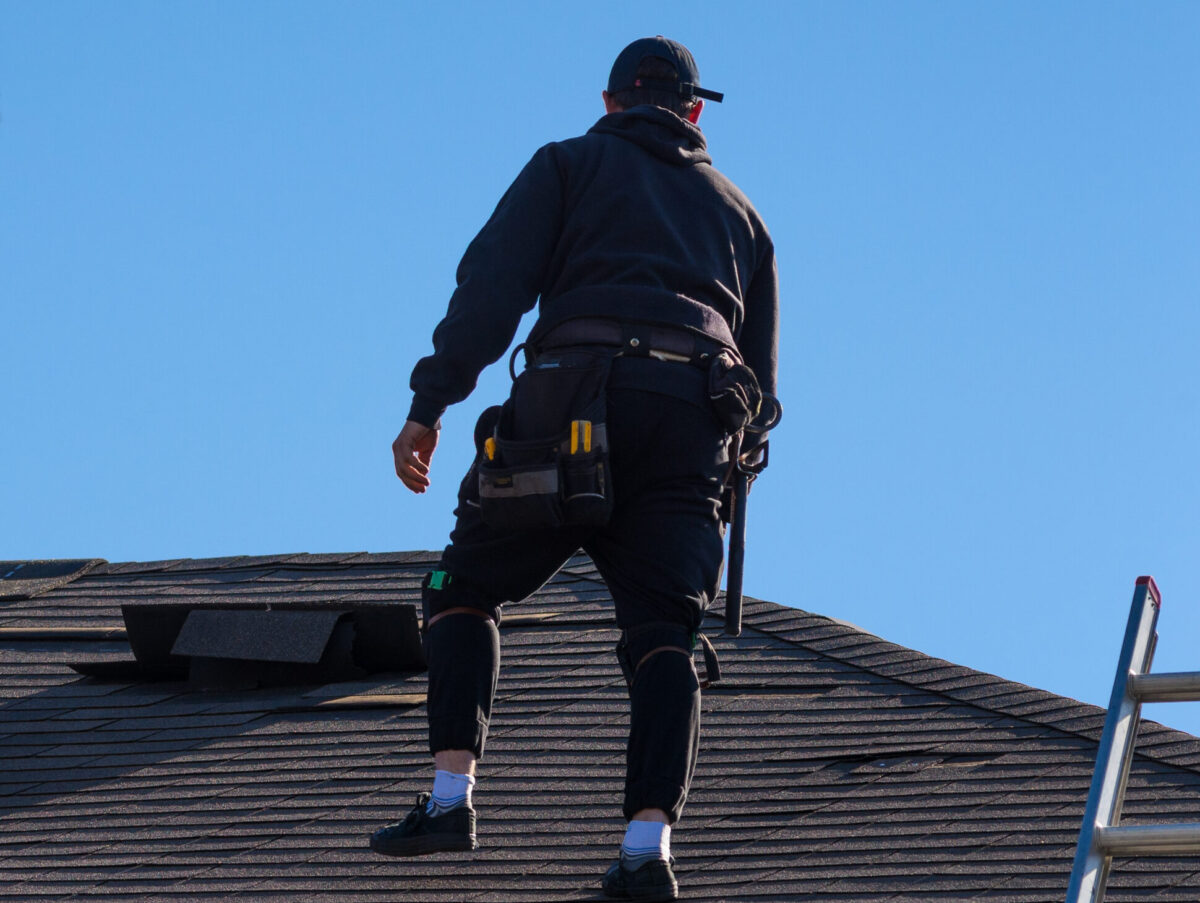
When documentation is unavailable or unclear, a professional roof inspection by an experienced contractor is the most reliable way to assess roof age and condition. An experienced roofer can read the physical evidence of a roof’s age with a trained eye.
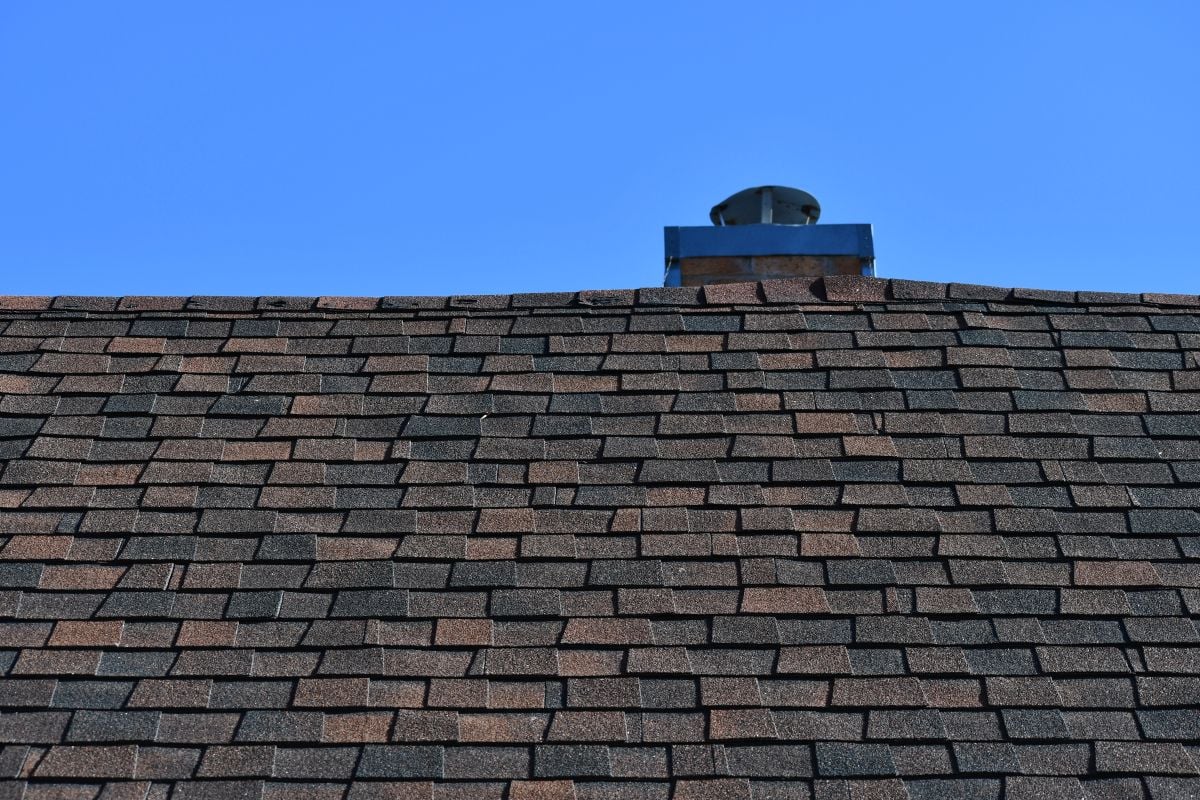
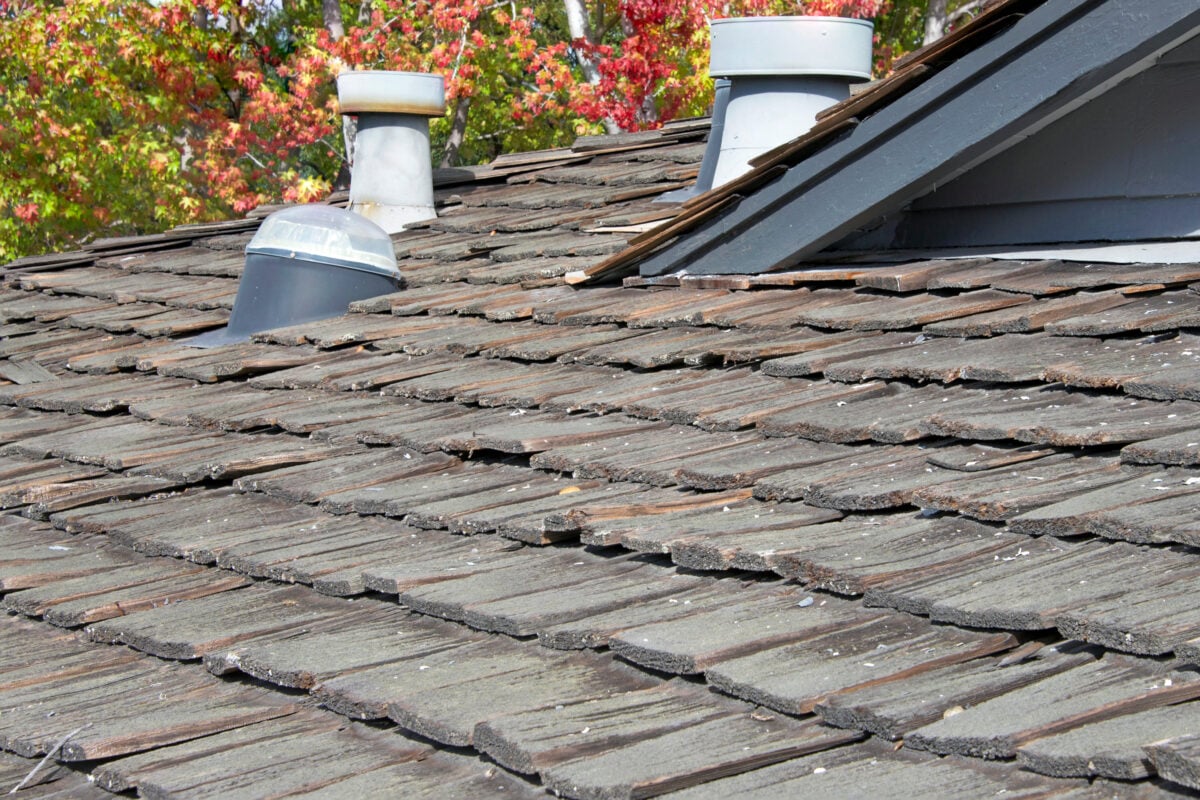
- Shingle condition assessment: The granule layer on asphalt shingles erodes progressively over time. Visible nails on the shingle surface indicate aging and lifting that warrants prompt inspection, as exposed fasteners allow moisture to enter the deck below. Shingles that are visibly curling, cracking, or losing granules into the gutters are typically approaching or past the end of their useful life.
- Flashing and underlayment evidence: The condition of metal flashing around chimneys, skylights, and roof penetrations reflects age and weathering history. Similarly, if any area of the roof deck is visible, the underlayment condition provides useful dating evidence for an experienced inspector.
- Aerial photograph comparison: Aerial photographs from tools like Google Earth or county GIS archives can show changes in roof color or texture over time, helping narrow down when a replacement likely occurred based on visible surface condition shifts between image dates.
What Insurers Do With Roof Age Information
Once an insurer knows the age of your roof, they use that information in several specific ways that directly affect your coverage and costs.
| Roof Age | Typical Insurer Response |
| Under 10 years | Most favorable rates, full replacement cost value coverage common |
| 10 to 15 years | Standard coverage, some carriers begin adding age-based depreciation |
| 15 to 20 years | Inspection often required, actual cash value settlements more common |
| Over 20 years | Inspection required, some carriers decline or non-renew coverage |
| Over 25 years | Many standard carriers will not write new policies without prior replacement |
Massachusetts homeowners with roofs over 20 years old may find their coverage options narrowing at renewal time, particularly if the roof has not been well maintained. Proactively replacing an aging roof before an insurer requires it keeps more coverage options open and often results in a meaningful premium reduction.
How to Document Your Roof’s Age for Insurance Purposes
Having documentation ready when your insurer asks makes the process faster and reduces the risk of disputes at claim time. The most useful documents to gather include the following:
- Permit records: A copy of the building permit from the town or city confirming the roof replacement date is the strongest form of documentation available.
- Contractor invoice and warranty: A dated invoice from the roofing contractor and any manufacturer or workmanship warranty certificates confirm when the work was completed and under what terms.
- Inspection report: A current professional inspection report from a licensed roofing contractor documents the roof’s current condition and can support the age estimate if original records are unavailable.
- Photographs with metadata: Time-stamped photos of the roof taken at or near installation, or from a professional inspection, can serve as supplementary documentation that establishes condition at a point in time.
Common FAQs About Roof Age and Insurance
Homeowners navigating the insurance side of roof ownership tend to ask a consistent set of questions. Here are direct answers to what comes up most often.
What happens if my insurer cannot verify my roof’s age?
If documentation is unavailable and no clear evidence of installation date exists, most insurers will require an in-person inspection to estimate the roof’s condition and remaining useful life. The inspector’s report becomes the basis for coverage decisions. In some cases, an unverifiable roof age results in the insurer applying a conservative age estimate that may reduce coverage terms. Having a professional inspection report from a licensed contractor can provide the documentation your insurer needs.
Can a new roof lower my homeowners insurance premium?
Yes, in many cases it can. Insurers view a recently replaced roof as reduced risk, particularly if the new roof uses impact-resistant or fire-rated materials. The discount varies by carrier and material, but some Massachusetts homeowners see meaningful premium reductions after replacing an aging roof. Informing your insurer promptly after a replacement and providing documentation is the step that actually triggers the adjustment.
Does the type of roofing material affect insurance coverage?
Yes. Material type affects both durability expectations and how insurers classify risk. Metal roofs and impact-resistant asphalt shingles typically attract better coverage terms and potential discounts compared to standard three-tab shingles. Some carriers specifically offer enhanced coverage tiers for Class 4 impact-resistant materials. Asking your insurer about material-specific discounts before selecting replacement materials is a worthwhile step that can offset some of the cost difference between material grades.
How often should I have my roof inspected for insurance purposes?
Annual inspections are a practical standard for most homeowners. An annual inspection by a licensed roofing contractor documents the current condition of the roof, catches developing problems before they become claims, and gives you current written evidence of maintenance that can support a claim if storm damage occurs. Insurers generally look more favorably on claims where the homeowner can demonstrate regular maintenance and documented condition history.
Caesar’s Roofing: Helping You Know What You Have
Whether you are buying a home, renewing your policy, or preparing for a potential claim, knowing the age and condition of your roof is one of the most practical steps you can take as a homeowner. Caesar’s Roofing has been serving homeowners across the North Shore and Greater Boston for over 50 years, and our inspections give you the kind of clear, documented assessment that is useful not just for planning your next roofing project but for working with your insurer as well.
Schedule your free inspection today and get a written condition report that documents what your roof looks like right now.