
Warranties
Will Insurance Cover A 20 Year-Old Roof (5 What To Know)
The short answer is: it depends. Will insurance cover a 20 year-old roof is one of the most common questions homeowners ask, and the answer varies based on your carrier, your policy type, your roof’s condition, and the cause of any damage. What most homeowners do not realize is that reaching the 20-year mark is a specific threshold that changes how many insurers treat your roof — for coverage eligibility, claim settlements, and premium pricing. Knowing what to expect before a problem arises gives you a meaningful advantage. If you are unsure about your roof’s current condition, a residential roofing inspection is the most practical first step before contacting your insurer.
Here’s what we’ll cover:
- Why 20 years is a critical threshold for insurers
- 5 things homeowners need to know about coverage on older roofs
- How RCV vs. ACV affects your payout
- What options exist if your insurer limits coverage
- Frequently asked questions about insuring a 20-year-old roof
- How Caesar’s Roofing can help you prepare
Why 20 Years Is a Turning Point for Roof Insurance

Roof age is one of the primary factors insurance providers use to assess risk and set coverage terms. The 20-year mark is not arbitrary — most standard asphalt shingle roofs have a rated lifespan of 20 to 30 years, which means how roof age affects coverage becomes a real and immediate concern as that threshold approaches. A 20-year-old roof is statistically entering the window where failure, storm damage, and costly repairs become more likely, and homeowners insurance policies reflect that reality directly.
When a roof is over 20 years old, most insurance companies will require it to pass an inspection before writing or renewing a policy, and some carriers may decline to insure it altogether. This is not just a technicality — it affects whether your coverage continues, what a claim will pay out, and what options you have if your current carrier reduces or removes coverage at renewal.
In Massachusetts, where coastal exposure, ice dams, and nor’easters put consistent pressure on rooflines, insurers apply these age thresholds with particular scrutiny. A roof that has survived 20 New England winters without documented maintenance or inspection is viewed very differently than one with a clear service record. We’re proud to serve home and business owners in Ipswich, MA, and nearby communities with residential roofing, roof inspections, and more.
RCV vs. ACV: Why This Distinction Matters Most on Older Roofs
Before reviewing the 5 things to know, understanding the difference between replacement cost value and actual cash value coverage is essential — because this distinction determines how much you actually receive on a claim.
Replacement cost coverage pays the full cost to replace a damaged roof with new materials at current market prices, without factoring in depreciation. Actual cash coverage subtracts depreciation based on the roof’s age and condition before calculating the payout. On a 20-year-old roof, the depreciation applied under an ACV policy can be substantial. An ACV policy on a 20-year-old roof that suffers $15,000 in storm damage may pay out only a small fraction of that amount after depreciation is applied, leaving the homeowner to cover the remainder out of pocket.
5 Things To Know About Insurance Coverage on a 20-Year-Old Roof
These five points cover what changes at the 20-year mark, what you can do about it, and how to protect yourself before a problem arises.
1. An Inspection Will Likely Be Required
Most carriers require a professional roof inspection before writing or renewing a policy on a roof over 20 years old. The inspection assesses current condition, remaining useful life, and any existing damage that might affect a future claim.
- Inspection timing: If your policy is up for renewal and your roof is approaching 20 years, scheduling a proactive inspection before your insurer requests one gives you time to address any findings before coverage is threatened.
- Inspector selection: Some carriers specify that the inspection must be conducted by a licensed contractor or a certified inspector. Confirm the requirement with your insurer before scheduling.
2. Your Carrier May Shift You to ACV Coverage
Many insurers automatically transition older roofs from replacement cost value to actual cash value coverage at or after the 20-year mark, often at renewal without prominently flagging the change.
- Policy review: Read your renewal documents carefully each year. A shift from RCV to ACV is sometimes noted only in the policy endorsements rather than highlighted in the summary.
- Premium impact: ACV coverage on an older roof may carry a lower premium, which can obscure the fact that your coverage has been significantly reduced in the event of a claim.
3. Storm Damage Is Still Covered — With Caveats
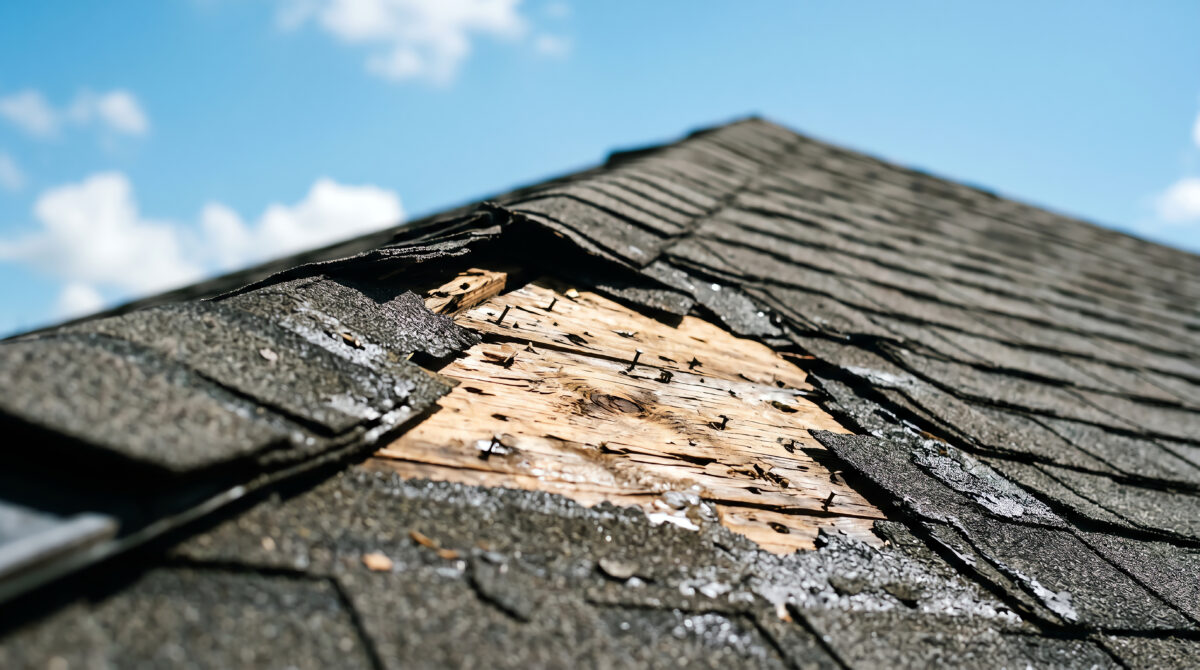
A 20-year-old roof that is damaged by a covered peril such as wind or hail damage, a severe storm, or a fallen tree is generally still eligible for a claim. Visible signs like missing shingles, cracked flashing, or granule loss in the gutters after a storm support the case that a sudden event caused the damage rather than gradual deterioration. The issue is not whether the damage is covered but how much the payout reflects once depreciation and coverage type are factored in.
- Cause of loss matters: Damage from a sudden covered event is treated differently from damage attributed to wear and age. Insurers sometimes dispute storm damage claims on older roofs by arguing that pre-existing deterioration was the primary cause of failure.
- Documentation advantage: Having a recent professional inspection report that documents the roof’s pre-storm condition makes it significantly harder for an insurer to attribute storm damage to prior wear.
4. A New Roof Can Immediately Improve Your Coverage Terms
Replacing a 20-year-old roof is one of the most effective actions a homeowner can take to improve insurance coverage, reduce premiums, and ensure claims are settled at full replacement value. A full roof replacement completed by a licensed roofing contractor and properly documented gives insurers everything they need to immediately recategorize the property under more favorable terms.
- Premium reduction: Many Massachusetts insurers offer meaningful discounts for recently installed roofs, particularly those using impact-resistant or Class 4-rated shingles that perform better under hail and wind loads.
- Coverage restoration: A new roof typically qualifies a policy for restoration to full RCV coverage, eliminating the depreciation-based payout reductions that apply to aging roofs.
5. A Professional Inspection Is the Starting Point
Before calling your insurer, before making decisions about replacement, and before filing a claim, a professional inspection by a licensed roofing contractor gives you the factual foundation to make every subsequent decision from a position of knowledge.
- Condition baseline: An inspection report documents the current condition of every component of the roof system, which is useful both for insurance conversations and for planning any necessary repairs or replacement.
- Remaining life estimate: An experienced contractor can give you a realistic estimate of how many additional years of reliable service the current roof can provide, which helps you weigh the timing of a replacement against the coverage implications of keeping the existing roof.
What Insurers Do With Roof Age Information
Once an insurer knows the age of your roof, they use that information in several specific ways that directly affect your coverage and costs. How roof age affects coverage varies between carriers, but the thresholds below reflect what most homeowners encounter across the standard insurance market.
| Roof Age | Typical Insurer Response |
| Under 10 years | Most favorable rates, full RCV coverage common |
| 10 to 15 years | Standard coverage, some carriers begin adding age-based depreciation |
| 15 to 20 years | Inspection often required, ACV settlements more common |
| Over 20 years | Inspection required, some carriers decline or non-renew coverage |
| Over 25 years | Many standard carriers will not write new policies without prior replacement |
Massachusetts homeowners with roofs over 20 years old may find their coverage options narrowing at renewal time, particularly if the roof has not been well maintained. Proactively replacing an aging roof before an insurer requires it keeps more coverage options open and often results in a meaningful premium reduction.
Common FAQs About Insurance and 20-Year-Old Roofs
Homeowners facing this question tend to ask a consistent set of follow-ups. Here are direct answers to what comes up most often.
Can I be dropped by my insurer because of my roof’s age?
Yes. In Massachusetts, insurers can choose not to renew a policy when a roof reaches an age they consider too high-risk, provided they give proper advance notice. This is distinct from cancellation mid-term, which is subject to stricter rules. If non-renewal is being considered, you will receive written notice — and that window is the time to either replace the roof or shop for alternative coverage.
What if my roof passes an inspection but is still 20 years old?
Passing an inspection improves your position significantly. A professional inspection report documenting good condition and adequate remaining life gives your insurer a factual basis for maintaining or restoring favorable coverage terms. Some carriers will restore RCV coverage or reduce a deductible tier if an inspection demonstrates the roof is genuinely well-maintained despite its age.
How do I know if my current policy is RCV or ACV?
The coverage type is stated in your policy declarations page, typically under the dwelling or roof coverage section. Look for language referencing replacement cost or actual cash value. If the language is unclear, calling your agent directly and asking for written confirmation of how your roof would be settled in the event of a total loss is the most reliable way to get a definitive answer.
Should I replace my 20-year-old roof proactively?
If the roof is approaching the end of its rated lifespan, showing signs of wear, or causing coverage restrictions, proactive replacement is often the financially sound choice. The combination of restored coverage, premium reductions, and avoided emergency repair costs frequently makes the math work in favor of replacement before a problem forces the issue.
Caesar’s Roofing: Know What You Have Before You Need to Use It
A 20-year-old roof does not automatically mean a crisis — but it does mean the conversation with your insurer has changed, and being prepared for that conversation matters. Caesar’s Roofing has been serving homeowners across the North Shore and Greater Boston for over 50 years. Our inspection process gives you a clear, documented picture of your roof’s current condition, remaining useful life, and any issues that could affect your coverage or a future claim.
Schedule your free inspection today and go into your next insurance conversation with the facts you need.