Roofing
Facts About Chimney Cap (Why It Matters & When To Replace)
Your chimney cap is one of the smallest components on your roof and one of the most consistently overlooked. Most homeowners never think about it until something goes wrong, and by then, the damage is already underway. A neglected chimney cap can lead to moisture damage, structural deterioration, and problems that extend well beyond the chimney into the broader residential roofing system. This guide lays out the essential facts, explains why chimney caps matter, and walks you through the clear signs that yours may need to be replaced.
Here’s what we’ll cover:
- What a chimney cap is and what it actually does
- Key facts homeowners should know about chimney caps
- The most common chimney cap materials and how they compare
- 6 clear signs your chimney cap needs attention or replacement
- Frequently asked questions about chimney caps
- How Caesar’s Roofing can help protect your home
What a Chimney Cap Is and Why It Exists
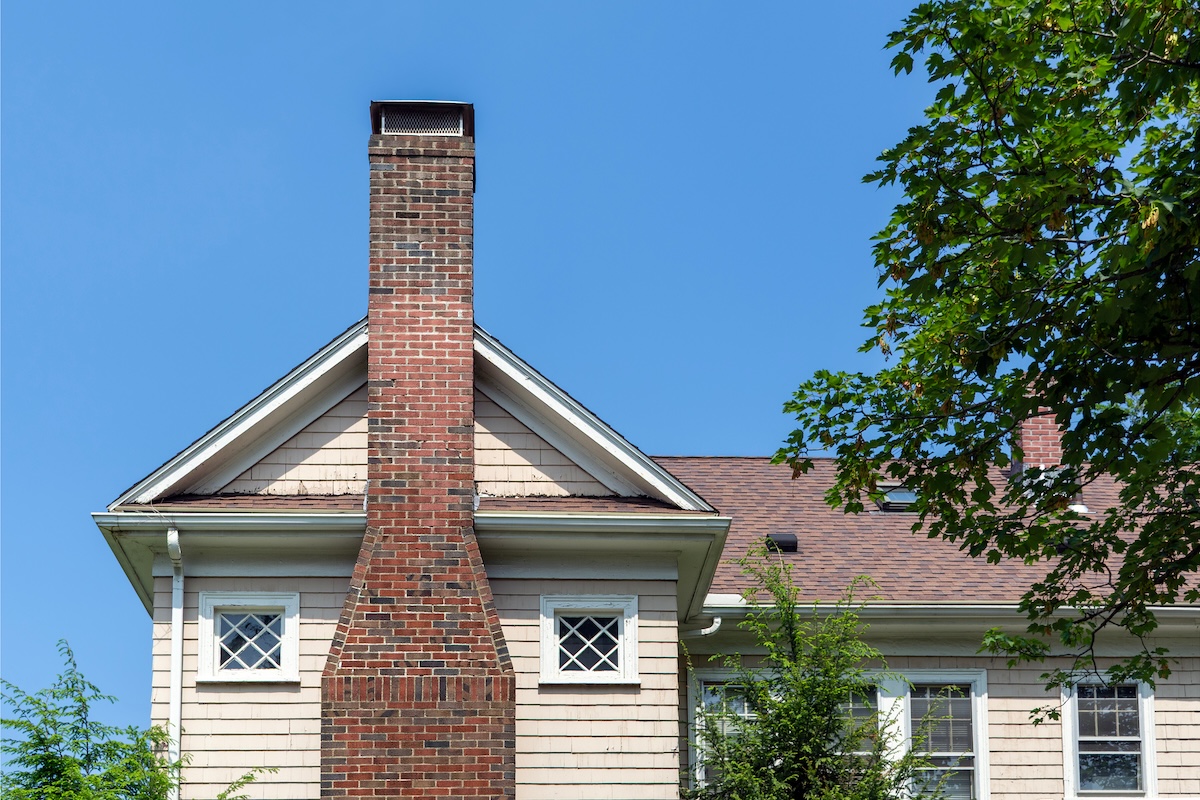
A chimney cap is a covering installed at the top of the chimney flue, the open vertical passage that carries combustion gases, smoke, and moisture out of your home. It typically consists of a flat or slightly angled top piece and a mesh or solid surround on the sides. The cap sits directly above the flue opening and is secured to the flue tile or chimney crown, depending on the design. This applies to all chimney types, whether you have a traditional brick chimney or one of the many single wall chimneys found on older New England homes in towns like Topsfield with prefabricated metal flue systems.
The reason chimney caps exist comes down to a simple problem: an open flue is a direct hole into your home’s interior. Without a cap, that opening welcomes rain, snow, debris, birds, squirrels, and anything else the weather or local wildlife decides to send down. In a region like Massachusetts, where nor’easters, heavy rain, and ice are all part of the seasonal rotation, leaving a chimney flue uncovered is genuinely costly over time.
We’re proud to serve home and business owners in Winchester, MA, and nearby communities with residential roofing services and more.
The Role of the Chimney Crown
The chimney cap and the chimney crown are two different components that are often confused. The crown is the mortar or concrete slab that covers the top of the masonry chimney itself, with an opening left for the flue. The cap mounts above that opening. Both components work together to keep water out, but the cap is the one that takes the most direct exposure to weather and wildlife and therefore requires more frequent attention. This is true whether you have a standard masonry chimney or one of the air cooled chimneys used with certain factory-built fireplace systems, where the outer shell draws in ambient air to keep surface temperatures down during use.
Key Facts About Chimney Caps Every Homeowner Should Know
There is more to a chimney cap than most people realize. Understanding what it actually does makes it much easier to recognize when something is wrong.
Here are the most important facts about chimney caps homeowners should keep in mind:
- Animal entry prevention: Without a cap, open flues are a common nesting site for birds, squirrels, and raccoons, all of which can block airflow, introduce debris, and create fire hazards.
- Moisture protection: Rain and snow entering an uncapped flue can deteriorate the flue liner, the damper, and the firebox over time, leading to repairs that far exceed the cost of a cap replacement.
- Spark arrest function: Most chimney caps include a metal mesh surround designed to contain embers and sparks from escaping the flue, reducing the risk of a roof or nearby vegetation catching fire.
- Draft improvement: A properly sized cap can reduce downdrafts in windy conditions, the phenomenon where wind pushes air back down the chimney rather than allowing smoke to rise and exit, which improves fireplace performance and works alongside proper attic ventilation for a more energy efficient roof system.
- Debris accumulation: Without a cap, leaves, twigs, and other organic material can collect inside the flue, creating a flammable buildup that poses a serious risk during active fireplace use.
- Code compliance: Many local building codes and insurance policies require functional chimney caps as part of proper chimney maintenance. An inspection finding a missing cap can affect coverage determinations.
Chimney Cap Materials Compared
Not all chimney caps are built the same. The material affects durability, maintenance needs, lifespan, and overall cost.
| Material | Typical Lifespan | Rust Resistant | Relative Cost | Best For |
| Galvanized Steel | 5 – 10 years | No | Low | Budget replacement |
| Aluminum | 10 – 15 years | Yes | Low to Moderate | Mild climates |
| Stainless Steel | 20 – 25+ years | Yes | Moderate to High | Long-term durability |
| Copper | 50+ years | Yes | High | Historic or premium homes |
In coastal North Shore communities like Newbury and Greater Boston area, where salt air, freeze-thaw cycles, and heavy precipitation are routine, stainless steel is the most commonly recommended material. A copper chimney cap is the premium choice for historic or high-end properties, offering exceptional longevity and a distinctive appearance that develops a natural patina over time. Galvanized caps are an affordable option but tend to rust out relatively quickly in wet or coastal environments, meaning they often cost more over time once repeated replacements are factored in.
6 Signs Your Chimney Cap Needs Attention or Replacement
Chimney caps do not last forever, and several clear warning signs indicate it is time to take a closer look. Catching these early prevents the kind of secondary damage that turns a simple repair into a significant expense.
1. Visible Rust or Corrosion
Surface rust is a strong indicator that the cap’s protective integrity has been compromised. Once corrosion sets in, it tends to accelerate quickly and the cap becomes unreliable.
- Enlarged mesh openings: Rust eats through the wire mesh, creating gaps large enough for debris and small animals to pass through.
- Structural weakening: Corroded metal can crack or break off entirely and fall into the flue below.
- Accelerating damage: A rusted cap will not improve on its own. Replacement is more cost-effective than waiting for secondary damage to develop.
2. Water in the Firebox or Flue
Standing water, musty odors, or staining inside the firebox after rainfall all point to a cap that is failing or missing entirely.
- Flue liner damage: Moisture entering from above deteriorates the liner over time, which is a costly repair.
- Damper rust: A wet damper corrodes and seizes, affecting draft control and fireplace performance.
- Interior spread: Left unaddressed, water works into the masonry and eventually shows up as ceiling stains or wall damage inside the home.
3. Animal Sounds or Signs of Nesting
Scratching, chirping, or rustling from the chimney area means wildlife has likely accessed the flue through a damaged or missing cap.
- Blocked airflow: Nests built inside the flue can restrict or completely obstruct ventilation.
- Fire hazard: Dry nesting material is highly flammable and poses a serious risk when the fireplace is in use.
- Ongoing access: Without a properly fitted replacement cap, animals will return after removal.
4. Downdrafts and Smoke Backdrafting
Smoke entering the room during fireplace use or on windy days points to a draft disruption that a cap issue can directly cause.
- Missing or undersized cap: Either condition allows wind to push air back down the flue rather than drawing smoke up and out.
- Wind-directional upgrade: In many cases, replacing the cap with a directional design resolves the backdrafting without any other modifications.
- Indoor air quality impact: Recurring smoke backdrafts introduce combustion byproducts into living spaces, which is a health concern worth addressing promptly.
5. Visible Cap Damage from Ground Level
A visual check from the yard using binoculars can reveal issues that would otherwise go unnoticed until interior symptoms appear.
- Cracked or missing mesh panels: Gaps in the surround eliminate the spark arrest and animal exclusion functions entirely.
- Tilted or displaced cap: A cap that is no longer sitting level on the flue is not sealing correctly and may dislodge fully in the next storm.
- Bent or detached sections: Any visible deformation is a sign the cap has been compromised and should be inspected up close.
6. Cap Missing or Aging After a Storm
Nor’easters and ice storms regularly dislodge caps that were weakened by rust or age. After any significant weather event, the chimney top is worth a quick check.
- Complete exposure: A missing cap leaves the flue fully open to rain, debris, and animals until it is replaced.
- Age threshold: Galvanized steel caps older than ten years and aluminum caps older than fifteen are approaching the end of their reliable service life even without visible storm damage.
- Hardware check: An aging cap may still look intact from below while the mounting hardware has corroded loose, making it one windstorm away from coming off entirely.
Common FAQs About Chimney Caps
Homeowners tend to have consistent questions about chimney caps once they start paying attention to this component. Here are the ones that come up most frequently.
Do I really need a chimney cap if I rarely use my fireplace?
Yes. The chimney flue is an open passage regardless of how often the fireplace is used. In fact, a rarely used chimney is often more vulnerable to moisture damage and animal entry because it is not regularly inspected or cleaned. A chimney cap is a basic protective measure that applies to any flue, active or not.
How much does a chimney cap replacement cost?
Most standard single-flue chimney cap replacements range from $150 to $400 installed, depending on the material selected and the accessibility of the chimney. Stainless steel and copper caps carry a higher upfront cost but typically offer significantly better long-term value than budget galvanized models that may need replacing within a few years in wet New England conditions. A contractor who inspects the chimney thoroughly before recommending a replacement can give you an accurate number for your specific situation.
Can I install a chimney cap myself?
Single-flue caps can technically be installed by a homeowner with a ladder, the right tools, and confidence working at height. Some caps mount with screws directly into the flue tile, while others rely on chimney top adhesive to create a watertight seal between the cap base and the crown. That said, proper sizing matters, and an incorrectly sized cap or a rushed installation can restrict draft, fail to seat properly, or leave gaps that defeat its purpose. For most homeowners, having a professional handle installation as part of a broader chimney or roof inspection is the safer and more cost-effective path, and choosing a reliable roofer for that inspection makes all the difference in what gets caught.
How do I know what size chimney cap I need?
Chimney cap sizing is determined by the outer dimensions of the flue tile. Measuring the outside of the flue at the top of the chimney gives you the dimensions needed to select the correct cap. Standard sizes are widely available, and custom caps can be fabricated for non-standard flue dimensions. A roofing or chimney professional can measure during an inspection and recommend the correct fit.
What is the difference between a chimney cap and a chimney cover?
The terms are often used interchangeably, but in some contexts a chimney cover refers to a chase cover, which is the flat metal pan that sits on top of a prefabricated chimney chase rather than a masonry flue. A chase cover serves a similar moisture protection function but is a larger component that covers the entire chase opening. If you have a factory-built fireplace with a wood or vinyl chase exterior, you likely have a chase cover, not a traditional chimney cap.
Caesar’s Roofing: Protecting Your Home From the Top Down
A chimney cap is a small component with a significant job, and knowing the facts about it gives you a real advantage as a homeowner. When it is working correctly, you never think about it. When it is not, the effects show up in your fireplace, your interior walls, and eventually your repair bills. The key is catching problems early, which is exactly what a thorough inspection makes possible.
Caesar’s Roofing has been trusted by homeowners across the North Shore and Greater Boston for over 50 years. Our team inspects every accessible component when we visit a property, including chimney caps, flashing, crowns, and the surrounding roofline, because we know that problems rarely exist in isolation. We provide honest findings, clear estimates, and the kind of responsive service that comes from a family-owned company that stands behind its work.
Reach out to Caesar’s Roofing today to schedule your free inspection and make sure your chimney and roof are ready for whatever the next season brings.