Roofing
Energy Efficient Roofing (5 Ways To Save Money In 2026)
If your energy bills have been climbing year over year, your roof may be a bigger part of the problem than you think. Energy efficient roofing is not just a trend — it is a practical investment that reduces heat transfer, lowers cooling and heating costs, and improves the long-term performance of your home. The right roofing system works with your home’s insulation and ventilation to keep conditioned air where it belongs, instead of letting it escape through an underperforming roof. For homeowners exploring an upgrade, our residential roofing team at Caesar’s Roofing can help you identify which energy-saving options make the most sense for your home and climate.
Here’s what we’ll cover:
- What makes a roof energy efficient
- 5 proven ways energy efficient roofing saves you money
- The best roofing materials for energy efficiency in 2026
- How ventilation and insulation tie into efficiency
- Common questions homeowners ask
- How Caesar’s Roofing can help
What Makes a Roof Energy Efficient
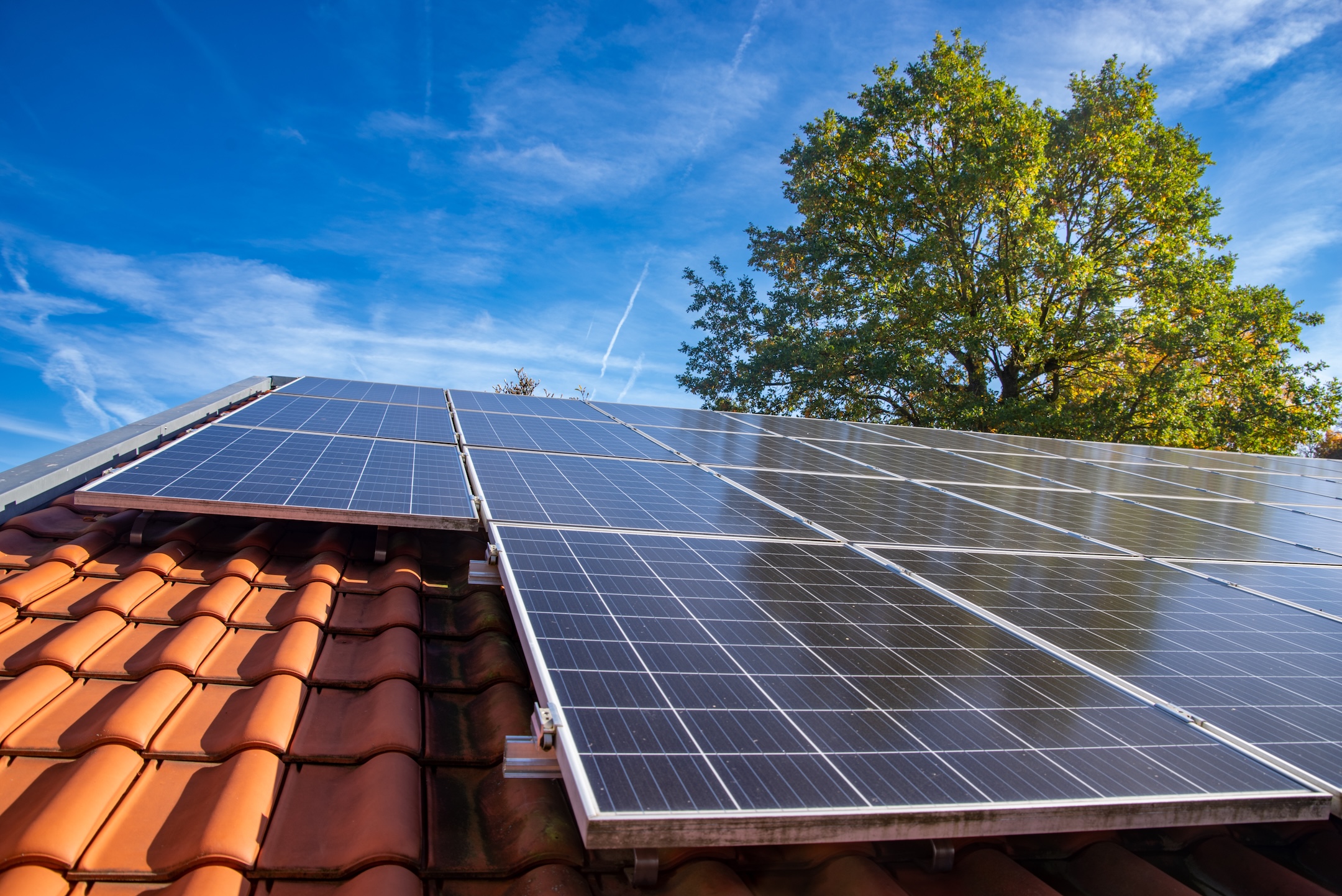
An energy efficient roof does two things well: it reflects solar heat away from the home and allows the attic to release built-up heat rather than pushing it down into living spaces. Traditional roofs made with standard dark materials absorb a significant percentage of the sun’s energy, which raises attic temperatures and forces air conditioning systems to work harder to compensate.
Two key measurements define a roof’s energy efficiency. Solar reflectance refers to how much sunlight a roofing surface reflects rather than absorbs — the greater the ability to reflect sunlight, the less heat enters the home. Thermal emittance refers to how effectively the material releases absorbed heat rather than retaining it. Roofing products that score well on both measures keep attic temperatures lower, reduce cooling loads, and contribute to meaningful energy savings over time.
In New England, where summers are warm and winters are harsh, energy efficient roofing has to perform in both directions. A roof that reflects summer heat well but allows heat loss in winter is not a complete solution. The goal is a well-integrated system that keeps conditioned air inside the home regardless of the season.
The Role of ENERGY STAR Certification
ENERGY STAR certified roof products meet the U.S. EPA’s specifications for solar reflectance, meaning they have been independently tested and verified to reduce heat gain compared to standard roofing materials. Choosing a certified product is one of the most straightforward ways to confirm that a material will actually deliver on its energy-saving claims rather than relying on marketing language alone.
We’re proud to serve home and business owners in Andover, MA, and nearby communities with residential roofing services and more.
5 Ways Energy Efficient Roofing Saves You Money
Upgrading to a more efficient roofing system pays off in several distinct ways. The savings add up across utility bills, maintenance costs, and the long-term lifespan of your roof and HVAC equipment.
1. Lower Cooling Costs in Summer
The most immediate and measurable benefit of energy efficient roofing is reduced air conditioning demand. When a roof absorbs less heat, the attic stays cooler, and the temperature differential between the attic and living spaces decreases. This reduces the load on your HVAC system during the hottest months of the year.
- Reflective surface impact: Roofing materials with high solar reflectance can keep surface temperatures significantly lower than standard dark shingles on the same summer afternoon.
- HVAC run time reduction: A cooler attic means your air conditioner cycles less frequently, which reduces energy consumption and extends the life of the equipment.
- Consistent comfort: Rooms directly below the roof line, often the top floor of a home, stay more comfortable without additional cooling effort.
2. Reduced Heat Loss in Winter
Energy efficient roofing is not only about keeping heat out in summer. A properly insulated and ventilated roofing system also limits heat loss during cold months, which is especially relevant in older homes in towns like Winchester where heating costs are a significant part of annual home expenses.
- Insulation integration: The roofing system and attic insulation work together. A well-sealed roof deck prevents warm interior air from escaping through the roofline.
- Ice dam prevention: Consistent attic temperatures reduce the freeze-thaw cycle that causes ice dams to form along eaves, one of the most common and costly winter roof problems in the region.
- Lower heating bills: Reduced heat loss through the roof means your heating system runs more efficiently across the colder months.
3. Extended Roof Lifespan
Thermal cycling — the repeated expansion and contraction of roofing materials as temperatures rise and fall — is one of the primary drivers of premature roof aging. Energy efficient roofing materials that stay cooler under direct sun experience less thermal stress, which extends their functional lifespan.
- Reduced material fatigue: Cooler surface temperatures mean less expansion and contraction over daily and seasonal cycles, preserving the integrity of shingles, flashing, and seams.
- Slower granule loss: On asphalt shingles, excessive heat accelerates granule shedding. Reflective or cool-rated shingles retain their surface granules longer, maintaining their protective function.
- Fewer repairs over time: A longer-lasting roof means fewer mid-cycle repair costs and a longer interval before full replacement becomes necessary.
4. Potential Tax Credits and Utility Incentives
Federal and state programs continue to offer financial incentives for homeowners who invest in energy efficient home improvements, including roofing upgrades. In 2026, the federal Residential Clean Energy Credit and the Energy Efficient Home Improvement Credit remain available, and some utility providers in Massachusetts offer rebates for qualifying cool roofing products.
- Federal tax credits: Certain roofing improvements that meet energy efficiency thresholds may qualify for a credit on your federal tax return. Consulting a tax professional about your specific project is always recommended.
- Utility rebates: Some Massachusetts utility providers offer rebate programs for qualifying energy efficient upgrades. Checking with your provider before selecting materials can reduce upfront energy costs, and pairing rebates with smart financing options for a new roof makes the total project even more manageable
- Increased resale value: Energy efficient features are increasingly valued by homebuyers, and a documented roofing upgrade can strengthen a home’s appraisal and marketability.
5. Lower HVAC Wear and Maintenance Costs
Every time your air conditioning or heating system runs less, it ages more slowly. Energy efficient roofing indirectly extends the working life of your HVAC equipment by reducing the frequency and duration of its cycles, which translates into real savings on maintenance, repairs, and eventual replacement.
- Fewer service calls: HVAC systems that run less accumulate wear more slowly, reducing the frequency of breakdown-related service calls.
- Longer equipment life: A system that is not being pushed to compensate for a thermally inefficient roof will typically reach the end of its rated lifespan rather than failing early.
- Compressor protection: Air conditioning compressors are the most expensive component to replace. Reducing peak demand in summer protects this equipment and delays major capital expenditure.
Best Roofing Materials for Energy Efficiency in 2026
Not all roofing materials offer the same level of energy performance. The table below compares the most common options homeowners consider when upgrading for efficiency.
| Material | Solar Reflectance | Durability | Energy Star Available | Relative Cost |
| Metal Roofing | Very High | 40 – 70 years | Yes | High |
| Cool Asphalt Shingles | Moderate to High | 25 – 30 years | Yes | Moderate |
| Slate | Moderate | 75 – 100+ years | No | Very High |
| Wood Shakes | Low | 30 – 40 years | No | Moderate to High |
| EPDM / Flat Membrane | High (white) | 20 – 30 years | Varies | Moderate |
Metal roofing with a reflective coating consistently ranks as the most energy efficient option available. For homeowners who prefer the appearance of traditional asphalt shingles, cool-rated architectural shingles offer a meaningful efficiency upgrade over standard products without a dramatic increase in material cost. Homeowners who are not ready for a full replacement can also consider a cool roof coating applied over an existing roof, which improves solar reflectance at a fraction of the cost of new materials.
How Ventilation and Insulation Work With Your Roof
Roofing material alone does not determine how energy efficient a home is. The attic ventilation system and insulation levels beneath the roof deck play an equally important role. A high-performance roofing material installed over a poorly ventilated or underinsulated attic will deliver only a fraction of its potential savings.
Proper attic ventilation allows hot air to escape at the ridge while drawing cooler air in at the soffits, keeping the attic temperature close to the outdoor temperature rather than trapping heat. Related components like the chimney cap also affect airflow and moisture control at the top of the system. This reduces the radiant heat that transfers from the attic into living spaces below. In Massachusetts, building codes set minimum ventilation ratios, but optimal performance often requires a more thorough evaluation of the specific home’s design and insulation condition.
When Caesar’s Roofing evaluates a property, we look at the full picture — not just the roofing surface, but the ventilation and attic conditions that determine how well that surface performs. An upgrade that addresses all three components together delivers substantially better results than replacing shingles alone.
Common FAQs About Energy Efficient Roofing
Homeowners considering an energy efficient roofing upgrade tend to have a consistent set of questions before committing to a project. The answers below cover the topics that come up most often, from realistic savings expectations to material choices and timing. If your specific situation is not covered here, our team is always available to walk you through the details.
Does energy efficient roofing actually make a noticeable difference in New England?
Yes, though the savings profile is different than in warmer climates. In hot southern states, cool roofing delivers its biggest returns through summer cooling reduction. In New England, and coastal towns like Gloucester in particular, the benefits are split between summer cooling savings and winter heat retention improvements. Homes with poor attic insulation or ventilation tend to see the most dramatic improvement after upgrading to an energy efficient roofing system.
What is the difference between a cool roof and a green roof?
A cool roof refers to any roofing system designed to reflect more sunlight and absorb less heat than a standard roof, typically through material selection or reflective coatings. A green roof refers to a roofing system that incorporates living vegetation as an insulating and cooling layer. Both improve energy performance, but they are entirely different systems in terms of structure, cost, and maintenance requirements.
How much can I realistically expect to save on energy bills?
Savings vary significantly depending on the home’s size, insulation level, existing HVAC equipment, local climate, and the specific materials used. Homes with dark, aging roofs in poor condition and minimal attic insulation tend to see the largest improvements. A professional energy audit combined with a roofing inspection gives the most accurate projection for a specific property.
Will energy efficient shingles look different from standard shingles?
Not necessarily. Manufacturers have developed cool-rated shingles in a wide range of colors and profiles that are visually indistinguishable from standard architectural shingles. Lighter colors naturally reflect more sunlight, but reflective granule technology allows darker-colored shingles to achieve strong efficiency ratings without sacrificing the appearance homeowners prefer.
Is it worth upgrading to energy efficient roofing if my current roof still has years left?
If your existing roof is structurally sound and not near the end of its lifespan, a full replacement solely for energy efficiency may not pencil out financially in the short term. However, if your roof is approaching 20 years old, showing signs of wear, or you are planning other home improvements, timing an energy efficient upgrade with a necessary replacement maximizes the return on that investment.
Caesar’s Roofing: Smart Upgrades That Protect Your Home and Your Budget
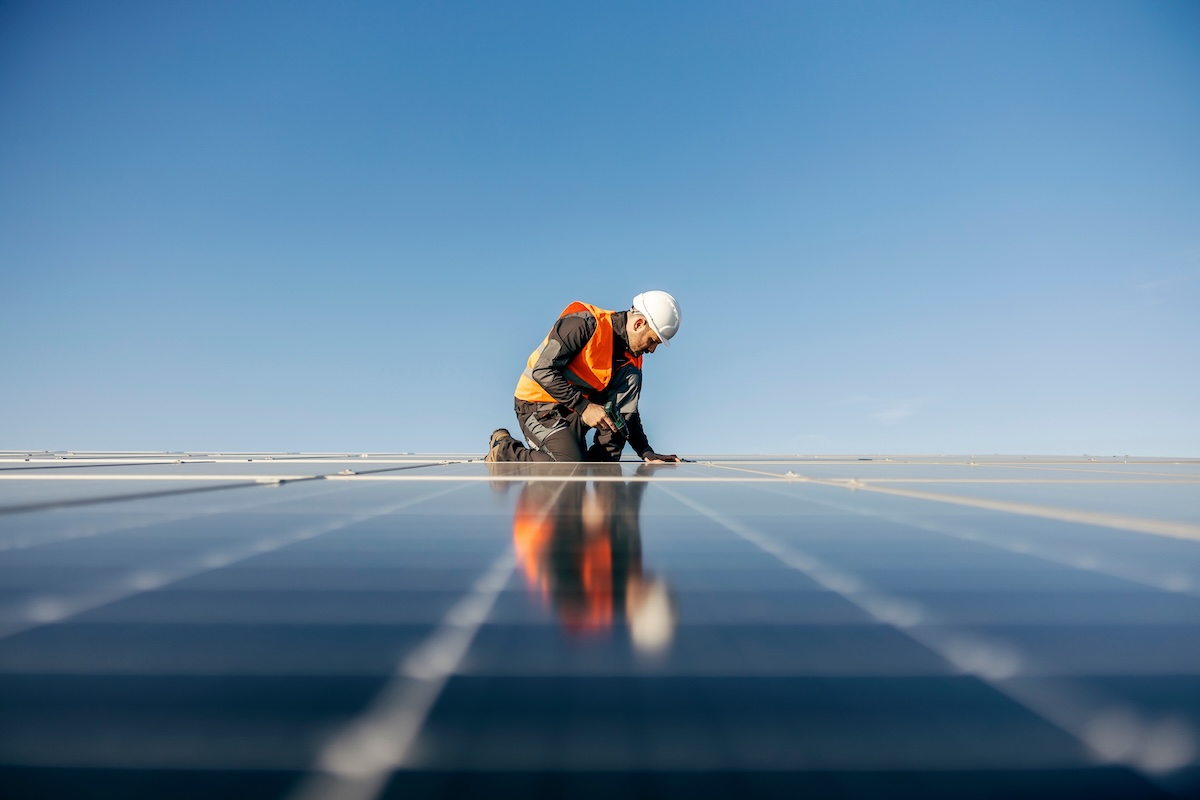
Energy efficient roofing is one of the most practical long-term investments a homeowner can make, and the savings compound over time across utility bills, equipment maintenance, and roof longevity. Getting it right means choosing the correct materials for your specific climate, pairing them with proper insulation and ventilation, and working with a team that understands how all of those components interact.
Caesar’s Roofing has been serving homeowners across the North Shore and Greater Boston for over 50 years. We bring the same hands-on, detail-oriented approach to every project whether it is a straightforward shingle replacement or a full system upgrade with ventilation improvements. Our team gives you honest recommendations, clear pricing, and the kind of responsive communication that makes a roofing project far less stressful than most homeowners expect.
Reach out to Caesar’s Roofing today to schedule your free inspection and find out which energy efficient roofing options make the most sense for your home.