Roofing
Unique Style With Saltbox Roof (7 Pros & Costs For 2026)
If you’ve ever admired a home with a long, sweeping roofline that dips all the way to near the first floor in the back, you’ve likely spotted a saltbox roof. This iconic saltbox roof style has deep roots in New England’s colonial history, and it remains one of the most visually striking and structurally practical choices a homeowner can make for their exteriors. Whether you’re weighing roofing materials, planning a major renovation, or simply exploring your options, this guide breaks down everything you need to know before making a decision. If you’re already thinking about a project, our residential roofing team at Caesar’s Roofing is here to help you get it done right.
Here’s what we’ll cover:
- What a saltbox roof is and where it came from
- The defining structural features of this roof style
- 7 key pros of choosing a saltbox design
- Costs to expect in 2026
- How saltbox compares to other popular roof styles
- Common questions homeowners ask
- How Caesar’s Roofing can help
The History and Character of a Saltbox Roof
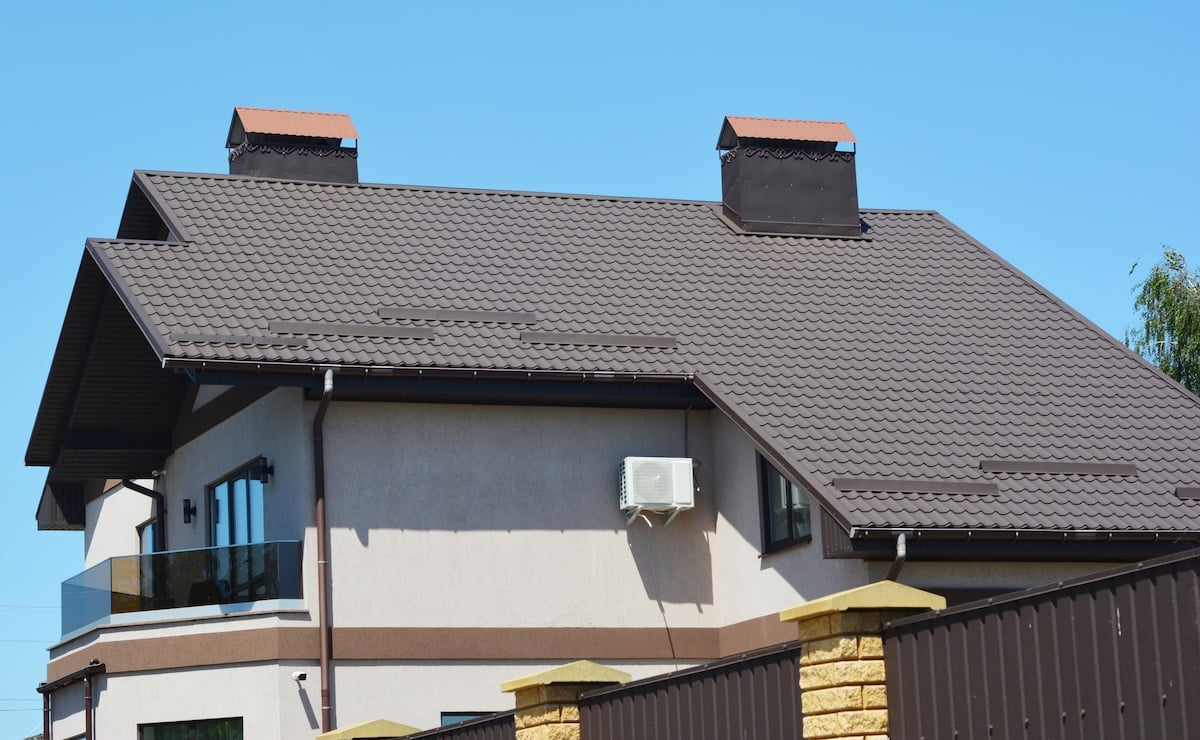
There’s a reason this roof style has lasted for centuries. The saltbox design traces its origins to colonial New England, where early settlers constructed homes with a characteristic double-sloped roof longer over the rear section, typically the result of adding a lean-to addition to the back of an original wood-framed structure and extending the roofline to cover it. Families needed more space, and this was the practical, resourceful solution they landed on.
The name itself comes from the wooden boxes colonists used to store salt. Those boxes had off-center lids that opened on the shorter side, and the profile of the saltbox house’s silhouette looked remarkably similar. The style became common throughout Massachusetts and the broader New England region during the 1600s and 1700s, and it never fully went away. Today, saltbox homes show up in traditional restorations and modern architectural builds alike, particularly in areas with a strong colonial heritage, historic Newbury being one clear example.
What Makes a Saltbox Roof Distinctive
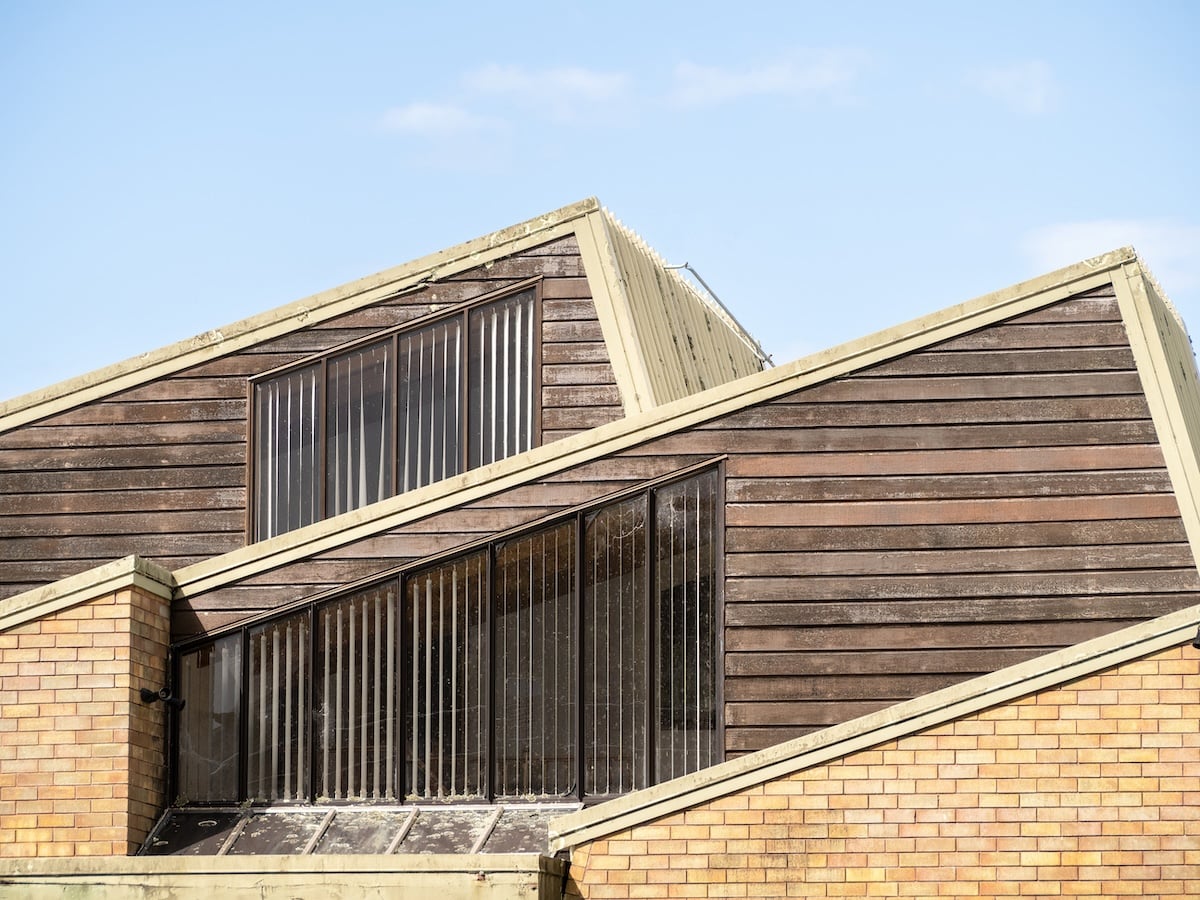
A saltbox roof is a variation of the classic gable roof, but with one key difference: the two sides of the roof are not equal. One side is short and steeply pitched, while the other is long and slopes gently all the way down toward the rear of the home, often reaching close to the first floor. This creates the immediately recognizable asymmetrical profile. A large central chimney is a traditional feature as well, though modern saltbox-style homes often adapt the details while keeping the roofline intact.
7 Pros of Choosing a Saltbox Roof
Saltbox roofs bring a genuinely useful combination of aesthetics and function. Below are seven reasons homeowners continue to choose this style.
1. Timeless Curb Appeal
Few roof styles make as immediate a visual impression as a saltbox. The long rear slope gives a home a dramatic, stately presence that stands apart from the standard gable or hip roofs in most neighborhoods. For homeowners in areas like Gloucester, MA, where historic architecture and coastal charm are part of the identity, a saltbox design fits beautifully into the surroundings. It signals craftsmanship and attention to detail without feeling overdone.
2. Strong Wind Performance
The steep pitch and asymmetrical slope of a saltbox roof actually give it a functional advantage in windy conditions. The extended rear slope deflects wind more effectively than a symmetrical gable roof, reducing the surface area that catches direct gusts. This makes it a solid choice in coastal or exposed areas where wind loads are a real concern, particularly in a region like Massachusetts where nor’easters and late-season storms can put roofs to the test.
3. Efficient Water and Snow Shedding
The steep pitches on both sides of a saltbox roof allow water, ice, and snow to move off the surface quickly. Standing water is one of the top causes of roof deterioration, and saltbox roofs are naturally designed to minimize that risk. The longer rear slope also helps manage large volumes of runoff, directing it away from the home’s foundation when paired with proper gutters and drainage.
4. Added Interior Space
Because the rear slope of a saltbox roof extends low over a one-story addition, the front portion of the home typically sits two full stories tall. This gives homeowners a meaningful amount of upper-level interior space that a standard ranch or one-story design simply cannot match. That added space can serve as bedrooms, a loft, a home office, or storage depending on how the floor plan is laid out.
5. Material Versatility
A saltbox roof is not locked into one specific material. Architectural asphalt shingles are the most popular choice for this style, offering durability and a classic appearance that suits the colonial aesthetic well, and pairing them with energy efficient roofing upgrades can improve performance without changing the look. Cedar shakes, metal roofing, and even synthetic alternatives can all work effectively on a saltbox structure. This flexibility means homeowners can match the material to their budget, climate needs, and visual preferences without compromising the integrity of the design.
6. Historical and Architectural Authenticity
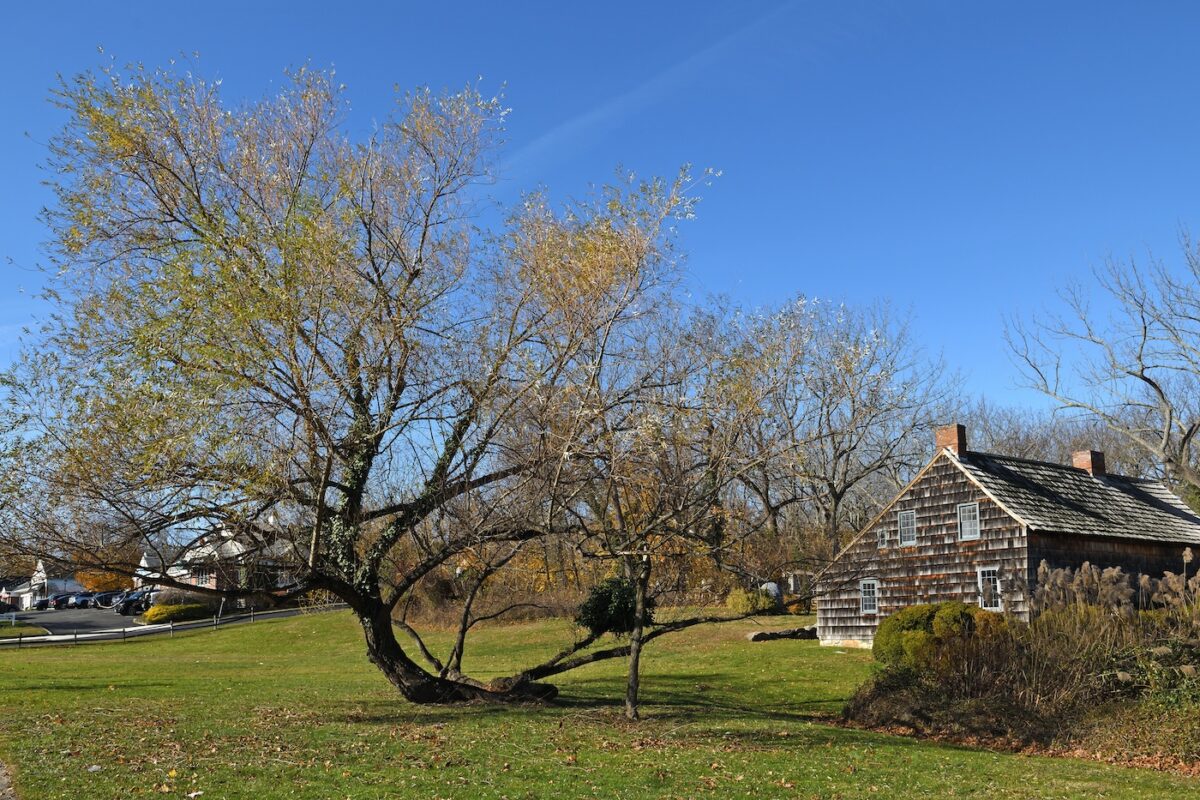
For homeowners restoring or renovating a property in a historic district, or simply building in a neighborhood where character matters, a saltbox roof delivers an authenticity that is hard to replicate with more contemporary styles. It connects a home to a genuine American architectural tradition rather than a generic modern template. That sense of place and heritage carries real value, both in terms of personal satisfaction and in how a property is perceived by buyers in the future.
7. Lower Maintenance on the Slope
Because of the steep pitch on the shorter front side and the long, sweeping rear slope, saltbox roofs tend to shed debris more efficiently than low-slope designs. Leaves, branches, and other organic material that accumulate on a flat or gently pitched surface have fewer places to collect and sit, which reduces the frequency of maintenance and the risk of moisture-related damage underneath accumulated debris.
Saltbox Roof Costs in 2026
Costs vary depending on size, pitch complexity, material choice, and the condition of existing structure, but the table below gives homeowners a general reference point for what to expect.
| Material | Average Cost Per Square Foot (Installed) | Typical Lifespan |
| Architectural Asphalt Shingles | $4.50 – $7.00 | 25 – 30 years |
| Cedar Shakes | $8.00 – $14.00 | 30 – 40 years |
| Metal Roofing | $10.00 – $18.00 | 40 – 70 years |
| Synthetic Slate | $9.00 – $15.00 | 40 – 50 years |
| Natural Slate | $15.00 – $30.00+ | 75 – 100+ years |
Keep in mind that a saltbox roof’s asymmetry and custom framing can add labor costs compared to a standard gable roof of the same square footage. A detailed inspection and written estimate from a qualified contractor will always give you the most accurate number for your specific project.
How Saltbox Compares to Other Roof Styles
It helps to understand how a saltbox roof stacks up against other common options before committing.
| Roof Style | Symmetry | Wind Resistance | Visual Impact | Complexity to Build |
| Saltbox | Asymmetrical | Strong | High | Moderate to High |
| Gable | Symmetrical | Moderate | Moderate | Low |
| Hip | All-sides slope | Very Strong | Moderate | High |
| Gambrel | Symmetrical, double pitch | Moderate | High | Moderate |
| Mansard | All-sides, double pitch | Moderate | Very High | Very High |
A saltbox lands in a strong middle ground, offering more visual distinction than a standard gable while being less complex to build than a full mansard. For homeowners who want character without an extreme budget premium, it is often the right answer.
We’re proud to serve home and business owners in Gloucester, MA, and nearby communities with residential roofing services and more.
Common FAQs About Saltbox Roofs
Homeowners considering a saltbox design tend to have a consistent set of questions. Here are the ones that come up most often.
How long does a saltbox roof last?
The lifespan of a saltbox roof depends primarily on the material used. Architectural asphalt shingles, which are the most common choice, typically last 25 to 30 years with proper installation and maintenance. Metal and synthetic slate options can push well past 40 years. The structural framing of a well-built saltbox can outlast multiple roof material replacements, particularly when the home is maintained and water intrusion is addressed quickly.
Do saltbox roofs require special contractors?
Not exactly, but the asymmetrical framing and custom slope calculations do require a contractor with experience handling non-standard roof structures. A roofer who works exclusively on simple gable roofs may not have the familiarity with saltbox geometry to frame or reroof the structure correctly. Asking prospective contractors about their experience with historic or custom architectural styles is always a smart step before signing a contract. Here is our full guide to finding a reliable roofer covers exactly what to ask.
Can I add a saltbox-style addition to an existing home?
Yes, and this is actually how the design historically originated. Adding a rear lean-to addition and extending the existing roofline over it is the traditional method for creating a saltbox profile. Modern additions follow the same general concept. A structural assessment from an experienced roofing and construction team will help determine whether your existing roofline can be modified or extended to achieve the look you’re after.
Is a saltbox roof a good choice for New England weather?
It is well-suited to the region, from inland towns like Andover to the coast. The steep pitches shed snow and ice effectively, the asymmetrical slope manages wind loads better than many symmetrical designs, and the design has proven itself across hundreds of years of actual New England winters. That said, material selection still matters. In areas with heavy snow accumulation, metal roofing or high-quality architectural shingles with proper underlayment are recommended over cedar shakes, which require more maintenance in wet climates.
How do I know if my saltbox roof needs repair or replacement?
Interior water stains, visible shingle damage, sagging areas along the rear slope, or granules collecting in your gutters are all signs worth taking seriously. A professional inspection is the most reliable way to assess whether targeted repairs will suffice or whether a full replacement makes more sense given the age and condition of the roof. Most reputable contractors offer free inspections and will walk you through their findings before recommending any scope of work.
Trust Caesar’s Roofing With Your Next Roof Project
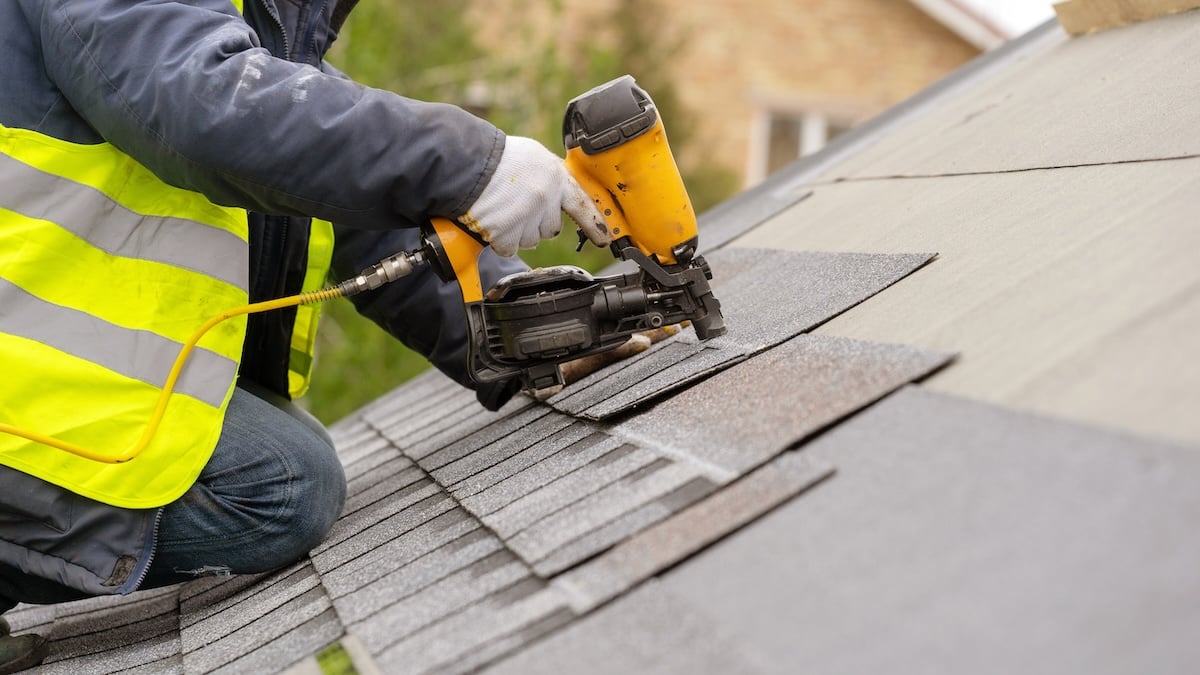
A saltbox roof is one of the most distinctive architectural choices a homeowner can make, and getting it done right requires a team with real experience in residential roofing and the kind of hands-on attention that only comes from a company that genuinely cares about the outcome. Caesar’s Roofing has been serving the North Shore and Greater Boston area for over 50 years, and that track record is not an accident. It comes from doing the work correctly, communicating honestly, and standing behind every project we complete.
Reach out to Caesar’s Roofing today to schedule your free inspection and get started with a team that has been trusted by homeowners across the region for over half a century.